

Termite control inspection
We look for swarmers, frass, mud tubes, and wood damage, then map your layout. You’ll get a clear plan with options and pricing.
Book Termite control today for fast help with termite control in Phoenix. Our local team inspects, treats, and offers follow-ups so your property stays protected.

“I’ve used Green Home for about 4 years in my old home and moved them with me to my current home. As a 7 year customer, I appreciate GH’s communication, flexibility and most importantly, the professionalism and consideration of their technicians.”
 Mira
We inspect for termite activity, entry points, and moisture or wood-to-soil contact. Next we treat with the right method for your structure. Then we help prevent return with repairs advice and follow-up checks.
We look for swarmers, frass, mud tubes, and wood damage, then map your layout. You’ll get a clear plan with options and pricing.
Based on what we find, we apply a targeted treatment around the foundation or in active areas. Work follows your home’s layout, soil, and access points.
We schedule follow-ups to confirm results and spot new activity early. If termites return during the warranty period, we offer a re-treat at no extra cost.
Or call for same-day service

After over a decade of serving Tucson, we understand how to treat the region’s unique pest challenges.

A small, family-owned business, offering friendly, reliable service you can count on.

We treat inside daycares & hospitals – that’s how kid, pet, and eco-friendly our process is.

Our expert pest protection plan ensures pests stay gone—or we come back for free.
Phoenix homeowners stick with us because we show up when we say we will and keep scheduling simple. Our local Arizona team gives clear updates, works within a tight arrival window, and treats your home with respect for kids and pets. You’ll talk with someone who lives in the Valley, and we can often get you on the calendar quickly. If activity shows back up during the service period, we’ll come back for a re-treat.
 Rob Wagley
We are very pleased with this pest control service. Our technician, Jay was very informative and sensitive to where he treated. We have dogs, birds and even wildlife that he was careful to protect. We haven’t seen any scorpions, fleas or black widows on our 1 acre + property since Jays campaign. Well done sir. I highly recommend Jay as a green beret bug and pest man.
 Margaret Penning
We just had Chris do our pest treatment, and he did a great job. We are regular users of Green Home Pest, and they’re easy to work with. They schedule the appointment, reschedule is easy if we have conflicts, they let you know who’s coming and when they’re on their way. Great company with great employees.
 Miranda
Green Home has great customer service. Chris came on time, was very friendly and helpful. He did an inspection and completed his work efficiently. I definitely recommend them
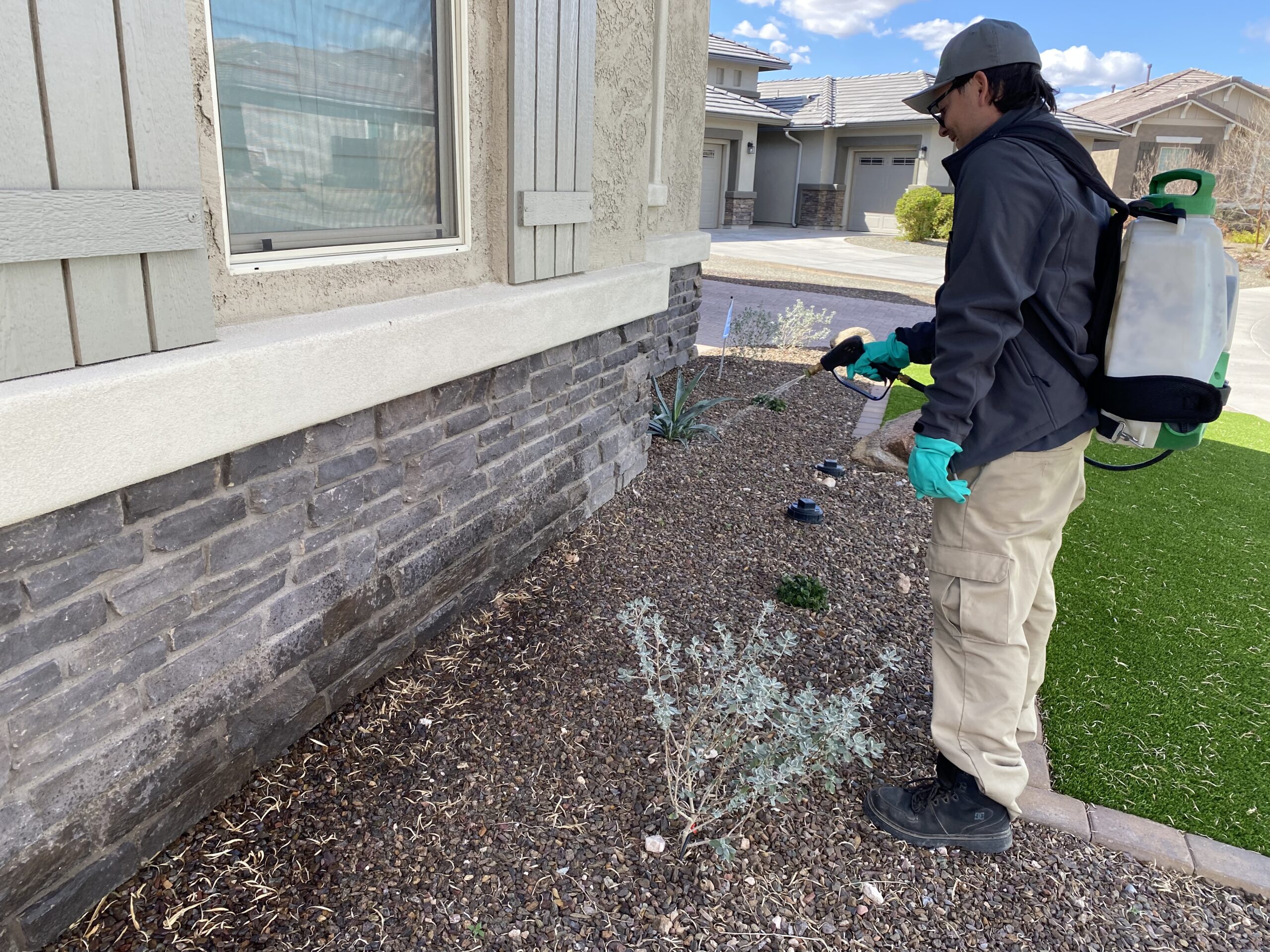
Liquid trenching creates a continuous barrier around the exterior foundation, which is where subterranean termites travel. We trench and treat along soil-to-structure points, then address any spots where concrete or pavers change access. Termites that move through the treated zone carry the product back into the colony through normal contact. You may not see instant results, but activity drops as the colony declines. We’ll review what we treated and what to watch for, then schedule follow-up inspections to confirm the barrier stays intact.
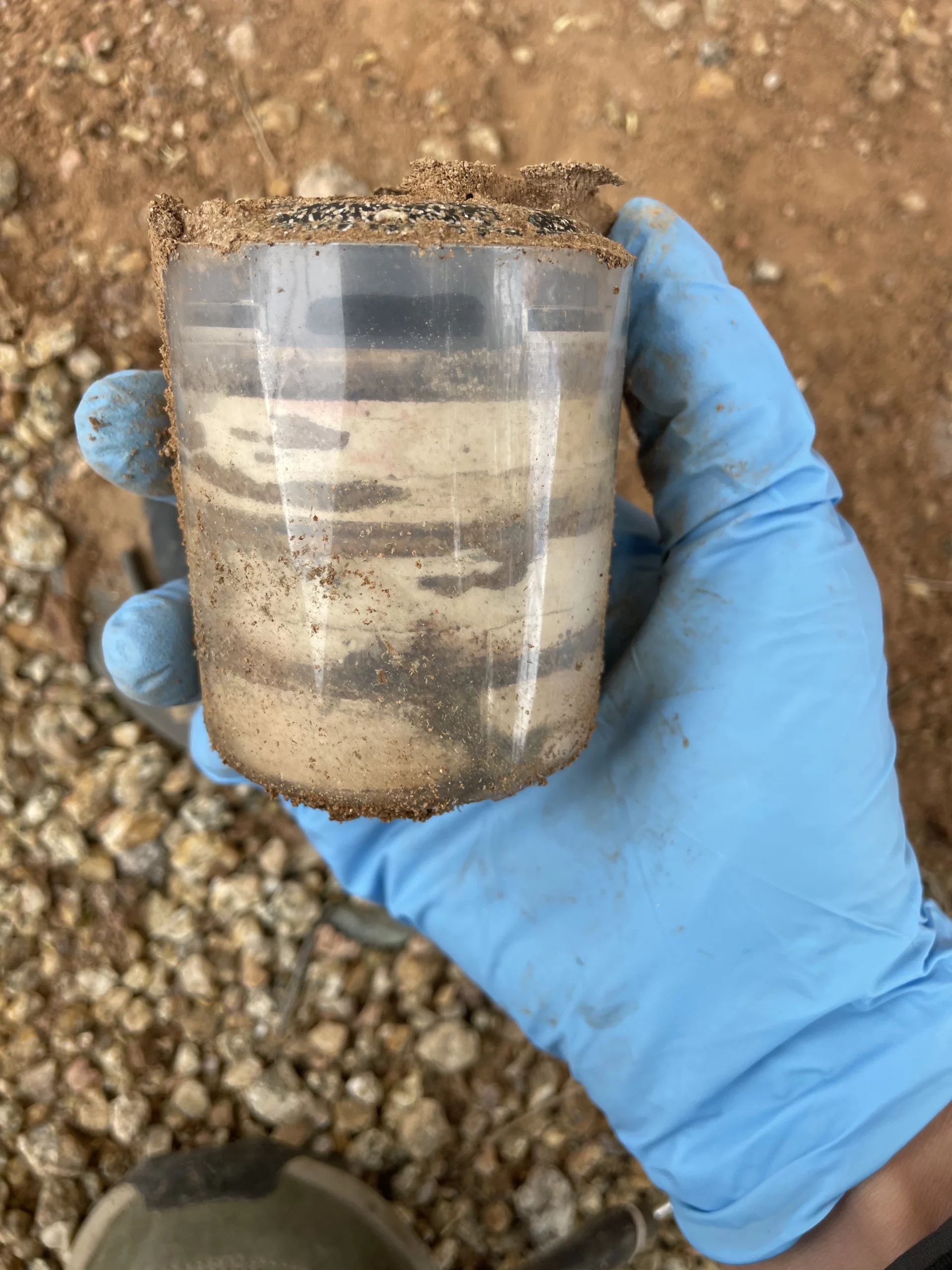
Termite bait stations work well when trenching isn’t the right fit or when you want a monitored perimeter. We install stations around the outside of the structure at regular intervals, then check them on a schedule. When termites find the stations, they feed and share the bait back in the colony. Over time, that reduces the local population without disturbing the soil around your foundation. Expect steady progress instead of overnight change. We’ll keep you updated after each check and adjust placement if needed.
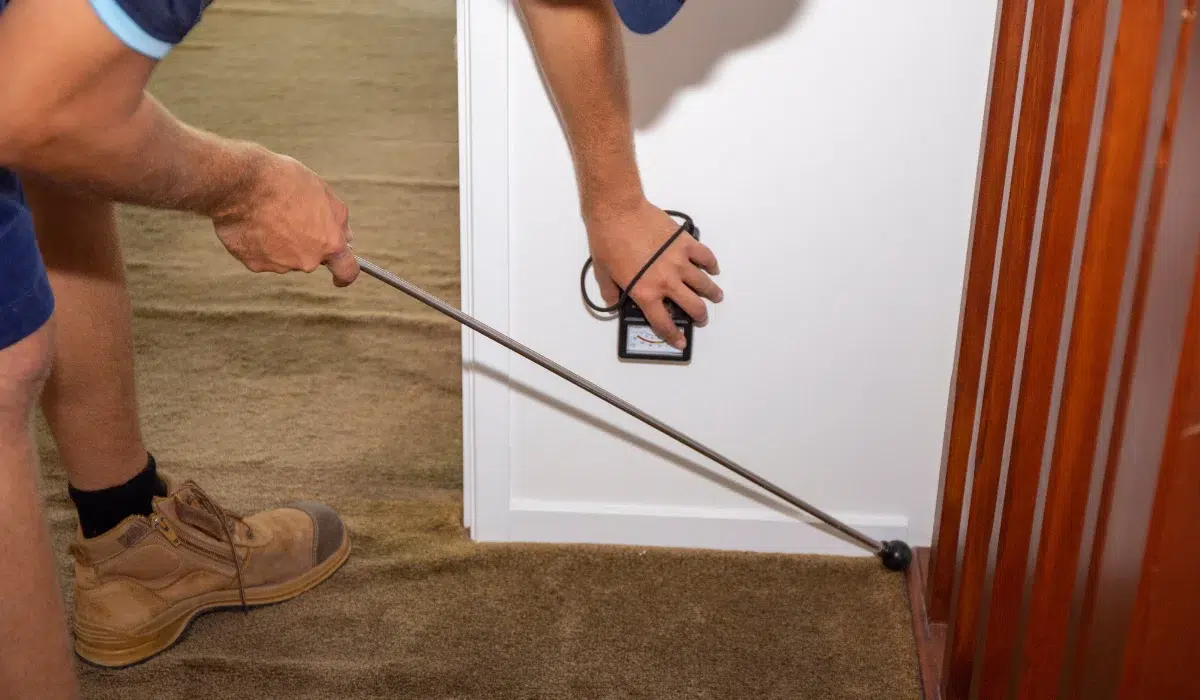
Termite control works better when you pair treatment with prevention. Our annual monitoring plan includes scheduled inspections, station checks if you have bait, and a review of conditions that attract termites like moisture and wood touching soil. We’ll point out gaps, cracks, or landscape issues that can let termites in, and we can recommend fixes or add sealing where it makes sense. If you see new swarmers or frass between visits, call us and we’ll respond fast. This plan also helps protect businesses that can’t risk downtime from hidden damage.
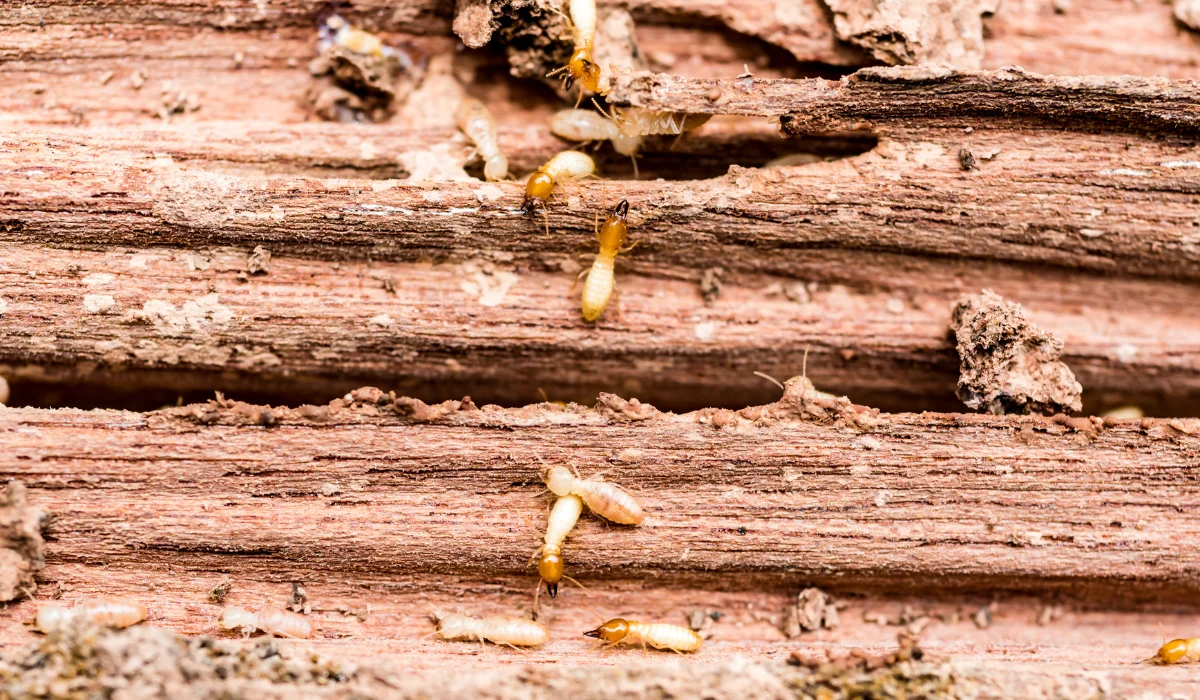
Termites can damage framing, trim, and stored materials before you notice them. We tailor termite control to each Phoenix property, whether you need trenching, bait stations, or monitoring. You’ll get clear reporting, a tight arrival window, and follow-up options so you’re not left guessing about next steps.
Our residential termite control starts with a full inspection of the structure, garage, attic access, and exterior soil line. We look for swarmers, frass, mud tubes, and moisture sources, then recommend trenching or bait stations based on your layout. Homeowners get a service report and follow-up scheduling, plus a re-treat option during the warranty period if activity returns.

Businesses in Phoenix need termite control that fits tenant schedules and keeps work areas orderly. We inspect walls, utility penetrations, and exterior perimeters, then apply trenching or a bait station system based on access and traffic. You’ll get documentation for your records and a plan for annual monitoring. If signs show up again during the warranty period, we can return for a re-treat.

Get total home protection starting at $49 per month. Don’t wait for a problem to happen. Protect your home with our professional and affordable pest control plan for one low monthly price.

4 services per year. 365-day coverage. Our quarterly treatments ensure your home stays pest-free all year long.

No limits. No hidden fees. Need extra help? We’ll return as often as needed—free of charge.

Certified by Arizona’s Department of Agriculture and background-checked for your peace of mind.

A thorough, proven process covering every inch of your home to eliminate pests.

99.9% on-time service with technicians who track every minute spent treating your home.

Avoid $3,000 in repair costs with a free $228 year-round termite protection plan.¹
Or call for same-day service
Phoenix heat and desert conditions can push termites toward structures in every season. We serve homes and businesses with quick scheduling and a clear arrival window. Call and we’ll set an inspection fast and get treatment started.
Nearest Location:
16042 N 32nd St Ste B13, Phoenix, AZ 85032
See all service areas we coverCommon termite warning signs include pencil-sized mud tubes along the foundation, garage stem wall, or exterior cracks. You may also see discarded wings near windows, doors, or light fixtures after a swarm. Damaged wood can sound hollow when tapped, and painted surfaces may look bubbled, blistered, or slightly sunken. Dry pellets, called frass, are more often associated with drywood termite activity, while subterranean termites usually leave soil-like material and tubing. Some clues can look like water damage, settling, or normal wear, so one sign does not always confirm an active infestation.
The absence of visible signs also does not rule out termites, since these elusive pests often stay behind walls, under slabs, or inside trim. If something looks suspicious, try not to break open tubes or remove all evidence before the visit. Photos are helpful, but a hands-on inspection gives us a better chance to determine whether the activity is current or old.
Not necessarily! Seeing winged termites (swarmers) means there is a colony nearby, but they may not have moved into your structure yet. However, it is a major sign that conditions on your property are right for an infestation. We recommend a professional termite inspection to determine if the activity is just “nearby” or an “on-property” risk.
Yes, termites are a common concern in Phoenix, Arizona, especially subterranean termites. These pests live in the soil and often reach structures through cracks, expansion joints, plumbing penetrations, and protected gaps near the foundation. Irrigation, shaded soil, and moisture around a structure can make conditions more favorable, even in a dry climate. A home can also have activity without obvious surface damage because termites stay hidden while feeding and traveling.
Not every property has an active colony, and seeing one damaged board does not always show the full extent of the issue. That is why a termite inspection in Phoenix, AZ matters before deciding whether treatment is needed. We look for current activity, conducive conditions, and past signs so homeowners can make a clear decision based on evidence rather than guesswork.
A termite inspection includes a careful visual review of the structure and the areas where termites are most likely to enter or leave evidence. At Green Home Pest, we check the exterior foundation, garage, attic access points when available, visible wood components, plumbing penetrations, expansion joints, and moisture-prone areas. We look for mud tubes, swarm evidence, frass, damaged wood, shelter tubes, and conditions that can support future activity. We also consider the construction style because slab homes, stem-wall foundations, hardscape, and additions can all affect how termites move.
A standard inspection is visual, so it does not always reveal hidden activity behind finished walls, under flooring, or inside inaccessible voids. If we find signs that need more attention, we explain what we found, where it is located, and which next steps make sense. The goal is to give clear findings, not pressure anyone into unnecessary work.
Every home is different, so we don’t believe in “one size fits all.” Depending on your home’s construction and risk level, we may recommend:
Absolutely. We select our products with families in mind and apply them with extreme care. If you have kids, pets, or specific sensitivities, just let us know! We’ll walk you through the plan so you know exactly what to expect before, during, and after the service.
Termites love two things: moisture and wood-to-soil contact. You can reduce your risk by:
Termites don’t disappear instantly like ants might. After a treatment, old mud tubes and past cosmetic damage will remain. Our goal is to stop the colony from feeding and cut off their routes. We will walk you through exactly what “progress” looks like and which signs would warrant a follow-up visit.
Yes! We back our work with a pest-free guarantee. Because Phoenix pest pressure can change due to weather or nearby construction, if you see activity between your scheduled visits, we’ll come back to make it right.
Definitely. A professional termite inspection can save you from a major headache by clarifying whether a property has active termites, past damage, or simply “conducive conditions” that might cause trouble later. It’s the best way to protect your investment from day one.
We try to make it as easy as possible! We may ask you to:
Scheduling is simple. Contact Green Home Pest and tell us you need a termite inspection, along with the property address, any signs you have noticed, and whether the structure is residential or commercial. Helpful details include where you saw mud tubes, wings, damaged wood, moisture, or swarmers, plus whether there are gates, pets, tenants, or access restrictions.
We offer convenient scheduling, a two-hour arrival window, and a text when we are on the way, so you know who to expect. Same-day availability may be possible depending on the schedule, but it is best to call early if timing is important. If you have photos, keep them available, but avoid removing all signs before the technician arrives. During the visit, we review visible evidence and explain the next steps if treatment is recommended. To get started, request a free quote or call our Phoenix team to choose an appointment time.
Most termite inspections can be completed during a standard appointment window, but the exact time depends on the size of the structure, access, storage, construction details, and how much evidence is present. A straightforward single-family home may take less time than a larger property with detached structures, heavy garage storage, multiple additions, or limited attic access. If there are active mud tubes, visible damage, or areas that require closer documentation, the visit can take longer because accuracy matters more than speed.
Homeowners can help by clearing access to the garage perimeter, attic opening, water heater area, and exterior foundation where possible. Pets, locked gates, and dense landscaping can also affect how efficiently the inspection moves. We keep the visit practical and focused, then explain the findings in plain language before discussing options. If you are scheduling around work or school, ask us what to expect for your specific property.
Annual termite inspections are a smart habit for many Arizona homes because termite activity can change with moisture, landscaping, construction repairs, and seasonal swarms. A yearly check helps catch early signs before damage becomes more extensive, especially if the property has had previous activity, irrigation close to the structure, or hardscape that makes access limited. You should also consider an inspection before buying or selling a home, after water leaks, after foundation or patio work, or when you notice wings, mud tubes, or wood damage.
Some treatment programs include periodic checks or annual renewal inspections, and the timing should follow the terms of the service selected. A clean inspection does not mean termites can never appear later, since colonies forage continuously through the soil. It means no visible evidence was found at that time. Keeping a regular inspection rhythm gives you a clearer record and a better chance of spotting changes early.
If termites are found, we document the evidence, explain where activity appears to be coming from, and identify whether the signs look active, old, or uncertain. We then review treatment options based on the structure and access. A liquid trench-and-treat barrier may be recommended when soil treatment around the foundation is practical. Bait stations may be a better fit where trenching is limited by concrete, hardscape, or customer preference. In some cases, additional access or repairs may be needed before the best approach is clear.
Finding termites does not mean every board in the home is damaged, but it does mean the source should be addressed rather than ignored. If the selected service includes follow-up checks or a warranty period, we review those details before work begins so expectations are clear. Our role is to connect the inspection findings to a treatment path that fits the actual conditions on site.
"*" indicates required fields