

Ant inspection
We inspect your yard, foundation, and problem rooms to confirm ant activity and trails. Then we explain what we found and map a plan that fits your home.
Need fast Ant control? Book today for ant control in Phoenix with a local team, kid- and pet-friendly options, and a two-hour arrival window.

“I’ve used Green Home for about 4 years in my old home and moved them with me to my current home. As a 7 year customer, I appreciate GH’s communication, flexibility and most importantly, the professionalism and consideration of their technicians.”
 Mira
We identify where ants are nesting and how they’re getting inside, then treat the right spots inside and out. After service, we’ll share simple steps to cut food and moisture so colonies are less likely to return.
We inspect your yard, foundation, and problem rooms to confirm ant activity and trails. Then we explain what we found and map a plan that fits your home.
Based on the inspection and your home’s layout, we apply targeted baits and exterior perimeter treatment where ants travel and nest. We focus on entry points, cracks, and moisture areas.
We schedule follow-ups that match your plan and season. If you still see activity between visits, reach out and we’ll return to re-treat the areas that need it.
Or call for same-day service

After over a decade of serving Tucson, we understand how to treat the region’s unique pest challenges.

A small, family-owned business, offering friendly, reliable service you can count on.

We treat inside daycares & hospitals – that’s how kid, pet, and eco-friendly our process is.

Our expert pest protection plan ensures pests stay gone—or we come back for free.
Phoenix homeowners stick with us because we show up when we say we will and keep scheduling simple. We take time to inspect entry points, moisture, and food sources so the fix lasts. Our local AZ team works in two-hour arrival windows, uses products and methods that are friendly for kids and pets, and sends clear service notes after each visit. If activity pops back up between regular visits, call us and we can come back for a re-treat based on your plan.
 Rob Wagley
We are very pleased with this pest control service. Our technician, Jay was very informative and sensitive to where he treated. We have dogs, birds and even wildlife that he was careful to protect. We haven’t seen any scorpions, fleas or black widows on our 1 acre + property since Jays campaign. Well done sir. I highly recommend Jay as a green beret bug and pest man.
 Margaret Penning
We just had Chris do our pest treatment, and he did a great job. We are regular users of Green Home Pest, and they’re easy to work with. They schedule the appointment, reschedule is easy if we have conflicts, they let you know who’s coming and when they’re on their way. Great company with great employees.
 Miranda
Green Home has great customer service. Chris came on time, was very friendly and helpful. He did an inspection and completed his work efficiently. I definitely recommend them
Our first step is placing ant baits in the spots workers are already traveling, plus treating outdoor mounds or trails when needed. Baits work by letting foragers carry the material back to the nest, which helps reduce the colony instead of only the ants you see. We position placements based on moisture lines, irrigation, kitchens, and wall void risk, then limit disturbance so ants keep feeding. You may still notice activity for a short time as the colony declines, and we’ll note what to watch for after the visit.
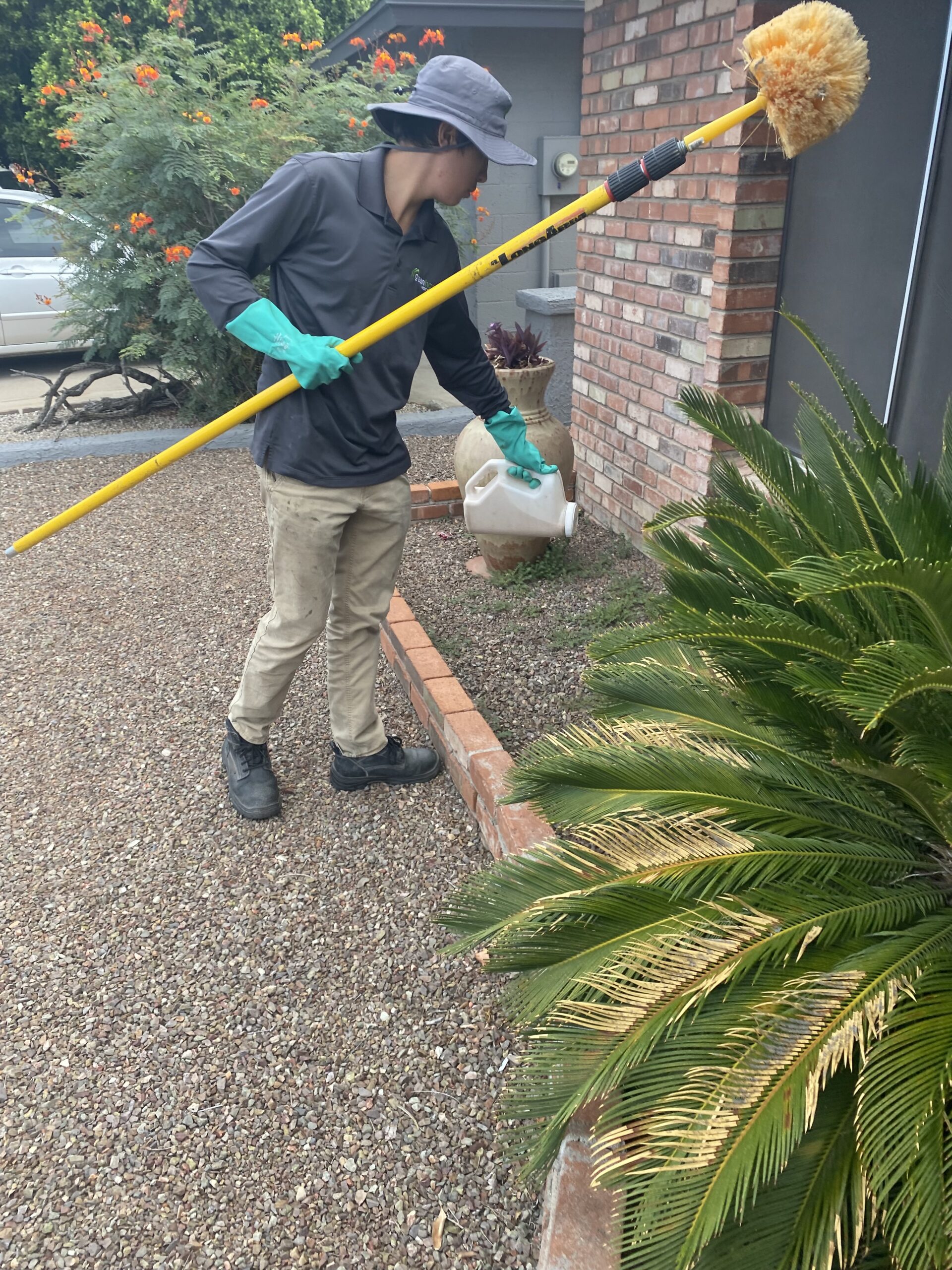
After we confirm where ants enter, we treat the exterior base of the home, expansion joints, and other cracks and crevices where they travel. In Phoenix, heat and irrigation push ants toward shade and water, so we pay close attention to plumbing penetrations, garage thresholds, and patio edges. This treatment helps cut off new workers and lowers the chance of new trails forming indoors. We also recommend small fixes like trimming contact branches and sealing gaps to support longer results.
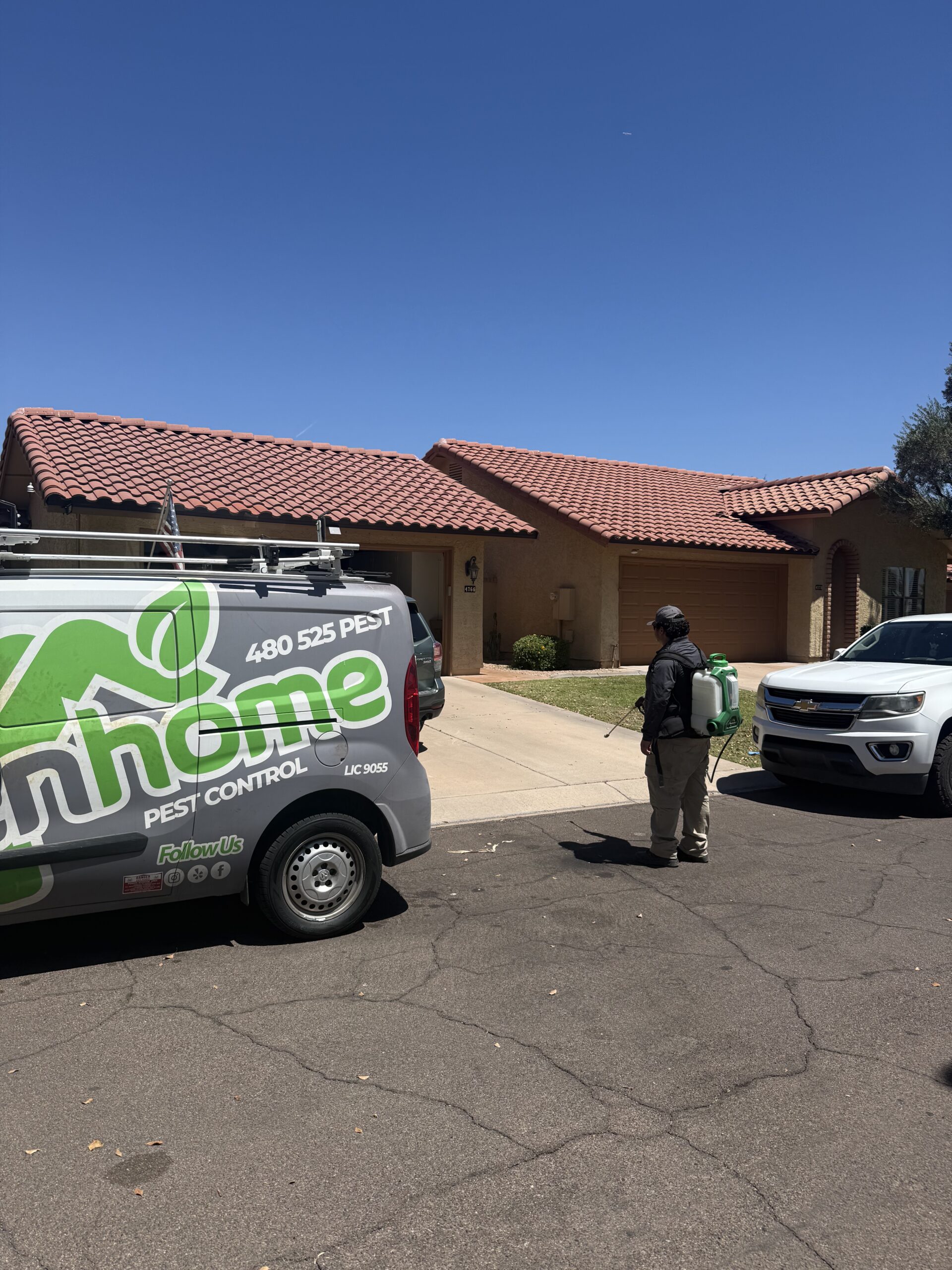
Ant problems in the desert can flare up after rain, irrigation changes, or a new food source, so many customers choose recurring service. We return on a bi-monthly schedule to re-check hot spots, refresh baits, and treat the exterior perimeter as needed. That timing helps keep pressure on colonies that move or split. Between visits, we’ll point out what to clean up and where to reduce moisture so ants have less reason to come inside. If you see fresh trails, call and we’ll schedule a re-treat.
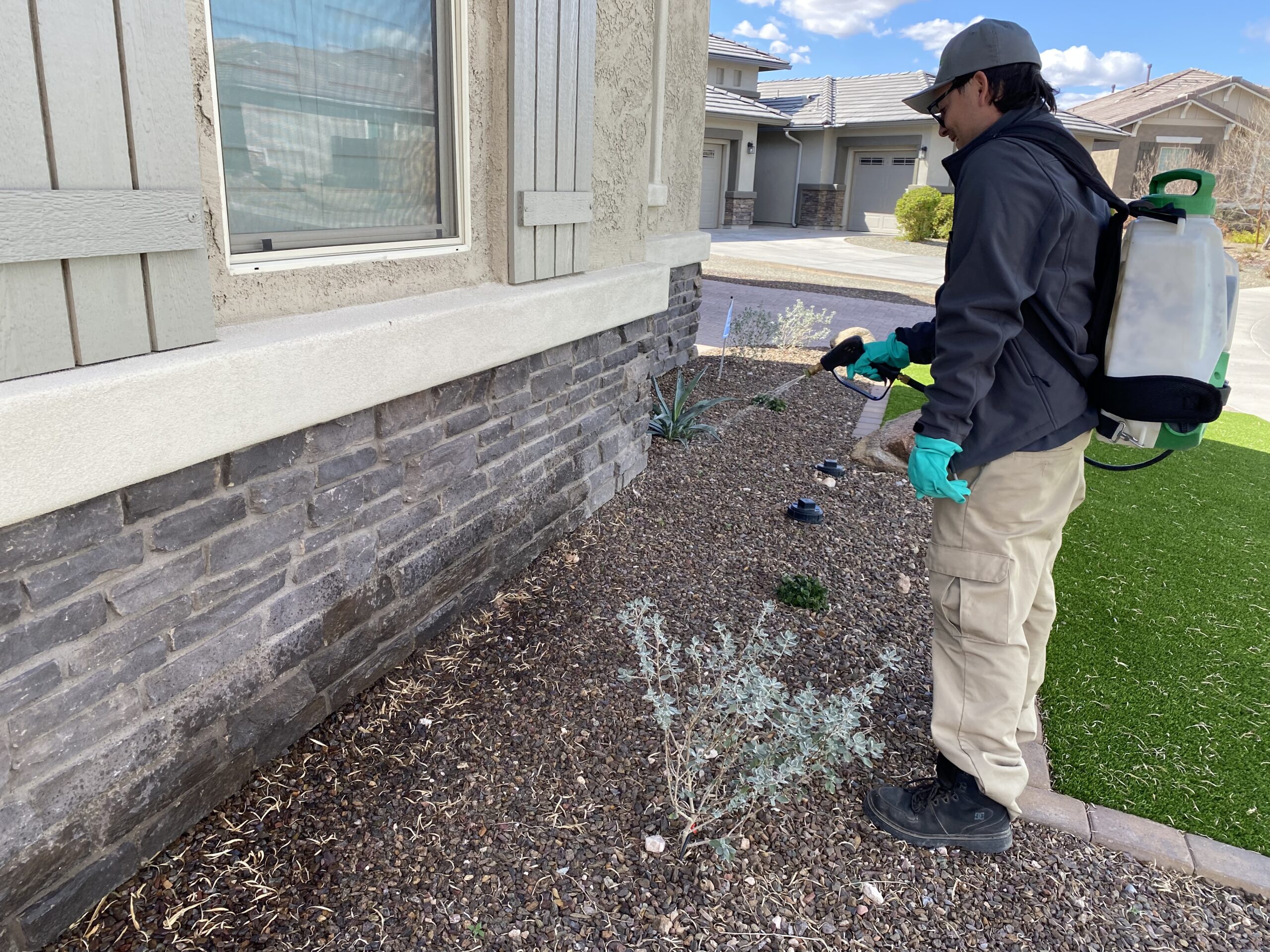
We tailor Ant control around how you live and work in Phoenix, from single-family homes to rentals, restaurants, and office spaces. Our technicians focus on trails, nesting zones, and entry points, then recommend simple changes that cut food and water sources. Recurring visits help keep colonies from rebuilding during warm months and monsoon rain.
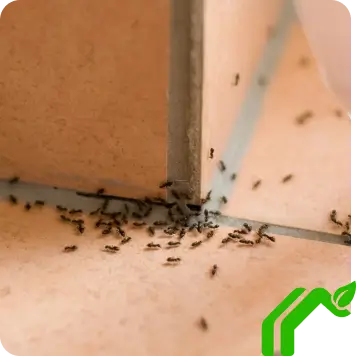
Ants show up in kitchens, bathrooms, garages, and along baseboards when they’re chasing food or water. We inspect inside and out, treat trails and entry points, and place baits where pets and kids won’t reach. You’ll get a service report with what we did and what to clean or seal next. If you spot ants again, we can return for a re-treat.
Ant activity around break rooms, dumpsters, and irrigation lines can lead to customer complaints and food risk. We work around your hours, treat exterior perimeters and interior hot spots, and focus on cracks, door sweeps, and utility lines. Ongoing service keeps pressure on colonies and helps you stay ready for inspections. We also document findings for your records.

Get total home protection starting at $49 per month. Don’t wait for a problem to happen. Protect your home with our professional and affordable pest control plan for one low monthly price.

4 services per year. 365-day coverage. Our quarterly treatments ensure your home stays pest-free all year long.

No limits. No hidden fees. Need extra help? We’ll return as often as needed—free of charge.

Certified by Arizona’s Department of Agriculture and background-checked for your peace of mind.

A thorough, proven process covering every inch of your home to eliminate pests.

99.9% on-time service with technicians who track every minute spent treating your home.

Avoid $3,000 in repair costs with a free $228 year-round termite protection plan.¹
Or call for same-day service
We provide ant control for Phoenix homes and businesses dealing with desert heat, irrigation, and seasonal swings that drive ants indoors. Call or book online and we’ll set a convenient two-hour window, with same-day openings when available.
Nearest Location:
16042 N 32nd St Ste B13, Phoenix, AZ 85032
See all service areas we coverSeveral ant species can show up around homes and businesses in Phoenix, and the right response depends on which one is active.
Odorous house ants often trail indoors toward sweets, grease, and moisture. Pavement ants are commonly found near cracks, patios, driveways, sidewalks, and slab edges. Rover ants are small and may establish colonies around homes and landscaped areas. Southern fire ants and harvester ants are more common outdoors, especially in yards, bare soil, and landscaped areas, and can become defensive when their nests are disturbed.
Carpenter ants can also occur in Arizona and may be associated with damp or damaged wood.
Color alone is not enough for reliable identification. Size, nesting location, trail behavior, and food preference all help narrow it down.
If activity keeps returning after cleaning and store-bought products, a professional inspection can confirm the species and guide a more effective approach.
A good identification starts with observing where the trail begins, what the insects are feeding on, and where the ants disappear.
Note whether the ants are tiny or larger, light brown or dark, moving in a narrow line or scattered pattern, and whether activity is strongest near kitchens, bathrooms, windows, baseboards, or exterior cracks.
Most household ants follow scent trails, so a steady line often points toward a food source, moisture source, or hidden entry point. Outdoor mounds, soil pushed near concrete, or trails along irrigation lines can also help.
Photos can be useful, especially close, clear images next to a common object for scale. The challenge is that many species look similar without magnification, and misidentification can lead to the wrong product or placement.
Baits that work well for one colony may be ignored by another. If you are unsure, collect details about the location, timing, and food preference, then have us confirm the species before choosing a control method.
Ants usually come inside for food, water, shade, or shelter.
Crumbs, pet food, syrupy spills, grease residue, overflowing trash, and unsealed pantry goods can draw foragers into kitchens and pantries. Moisture is just as important, especially around sinks, dishwashers, bathrooms, irrigation lines, potted plants, and leaky hose bibs.
Heat and dry conditions can push colonies toward cooler, wetter areas, while rain or irrigation changes can shift nesting sites.
Prevention works best when it removes the reason ants entered, not just the trail you see. Wipe counters, rinse recyclables, store food in sealed containers, and avoid leaving pet food out overnight when possible.
Outside, trim vegetation that touches the structure, reduce excess mulch near the foundation, and seal obvious gaps around utility penetrations, doors, and windows.
These steps can reduce activity but may not reach a nest already established in soil, wall voids, or cracks. If trails continue, professional service can target the source more directly.
Professional ant control in Phoenix starts by connecting the visible trail to the larger colony and the conditions supporting it.
At Green Home Pest Control, we look at active rooms, exterior walls, foundation edges, irrigation zones, cracks, utility openings, and likely nesting areas.
The goal is to treat where foragers travel and where colonies are likely feeding or nesting rather than simply spraying the insects in sight.
Depending on the findings, we may use targeted bait placements, exterior perimeter applications, crack-and-crevice service, and treatment of outdoor mounds or trails.
Baits are useful because foragers can carry the material back to the nest, helping address the colony beyond the ants visible on the surface.
Perimeter work helps reduce new trails and entry points. Results depend on species, colony size, weather, sanitation, and access to moisture.
After service, we explain what was treated and which conditions could keep activity going. The strongest results usually come from combining professional service with practical cleanup, sealing, and moisture reduction.
The timeline depends on the ant species, colony size, nest location, and treatment method.
With baiting, activity can sometimes remain steady or even appear busier at first because foragers continue feeding and carrying bait back toward the colony. That does not necessarily mean the treatment failed.
Smaller, isolated trails may decline relatively quickly, while large or multiple colonies can take longer and may require follow-up service.
Outdoor conditions also matter. Irrigation, rain, heat, new food sources, or disturbed nesting areas can cause ant movement after an appointment.
Store-bought repellent sprays can also interfere with baiting or move activity into different areas.
The best thing to watch is the overall trend rather than a single sighting. If activity is decreasing and trails are becoming less organized, that is a good sign. If strong trails continue in the same areas, let us know so we can review the next step.
Safety depends on product choice, placement, preparation, and following label directions.
We use kid- and pet-friendly options and place materials carefully, especially around kitchens, play areas, pet spaces, and other sensitive locations.
Baits are typically positioned where ants travel but where children and animals are less likely to reach them. Exterior applications focus on entry points, cracks, and travel paths rather than unnecessary indoor coverage.
No pest-control product should be treated casually, even when it is selected for household use.
We may ask you to keep children and pets away from treated areas until materials are dry or until the technician says it is appropriate to return.
If anyone in the home has specific sensitivities, let us know before the visit so we can discuss placement and product considerations. Health-specific questions should be discussed with a qualified medical professional.
DIY steps can help when ant activity is light, recent, and tied to an obvious food spill or entry point.
Cleaning the trail, sealing food, and correcting moisture may be enough for a minor issue.
Professional service makes more sense when trails keep returning, you see activity in multiple rooms, mounds are forming near the structure, or store-bought products provide only temporary relief.
It is also a good time to call if ants are appearing near electrical areas, wall voids, commercial food spaces, or locations where children and pets make product placement difficult.
Repeated activity following rain, irrigation changes, or attempts to spray visible workers can also indicate that the colony remains active nearby.
Professional service allows us to match the method to the species and property conditions. If you are seeing the same trail day after day, contact Green Home Pest Control so we can determine the source and appropriate treatment.
An ant control appointment usually starts with a conversation about where you have seen activity, when it started, and what you have already tried.
We check common interior and exterior trouble spots, including kitchens, bathrooms, baseboards, garages, foundation edges, patios, plumbing penetrations, irrigation areas, cracks, and visible trails.
We may also ask about pet feeding areas, recent leaks, landscaping changes, or recurring moisture because those details often help explain why the problem keeps returning.
After the inspection, we explain what we found and choose treatment placements based on the ant species and property layout.
Service may include baiting, exterior perimeter treatment, crack-and-crevice applications, or attention to outdoor mounds and trails.
Green Home Pest Control uses two-hour arrival windows, and you can expect clear service notes after the visit. Before we leave, we will also point out practical cleanup, sealing, or moisture corrections that can support the treatment.
Service frequency depends on how often activity returns, the property layout, moisture conditions, landscaping, and whether nearby colonies are putting steady pressure on the structure.
For recurring ant problems, many Green Home Pest Control customers use bi-monthly service so we can recheck hot spots, refresh bait placements when needed, and treat exterior entry areas before activity builds indoors.
Some homes do well with broader year-round pest protection, especially when the goal is to manage several common pests at once.
A single appointment may solve a simple, isolated issue, but recurring service may be a better fit when nests are outdoors, colonies move with weather, or irrigation creates dependable water sources.
Prevention is not only about product application. Keeping food sealed, reducing moisture, trimming vegetation that touches the structure, and sealing gaps can also help reduce recurring activity.
Start by removing what is attracting the ants.
Wipe counters, sweep floors, rinse sticky containers, take out trash, and store pantry items in sealed containers. Clean visible trails with soapy water so the scent path is harder for new foragers to follow.
Avoid applying repellent sprays to active trails if professional baiting may be used because those products can interfere with where ants travel and feed.
If you see where the ants are entering, note the location or take a photo so the technician can review it. Seal obvious gaps when practical after documenting what you observed.
Move pet food when it is not in use, fix obvious drips if you can do so safely, and reduce standing water around sinks, plants, or exterior hose areas.
Outside, pull excess mulch or debris away from the foundation and trim branches touching the structure.
These steps may reduce activity, but they rarely reach a hidden colony on their own. Save your observations so the technician can target the areas that matter most.
"*" indicates required fields