

Rodent control inspection
We look for droppings, rub marks, gnawing, and entry gaps, then map hot spots. You’ll get a clear plan for next steps.
Need fast rodent control in Phoenix? We inspect, trap, and seal entry points, then follow up so mice and rats stay out.

“I’ve used Green Home for about 4 years in my old home and moved them with me to my current home. As a 7 year customer, I appreciate GH’s communication, flexibility and most importantly, the professionalism and consideration of their technicians.”
 Mira
We start by spotting where rodents are active, inside and out. Next, we set traps or bait stations and address the spots they’re using. Then we recommend sealing and sanitation steps to help prevent a return.
We look for droppings, rub marks, gnawing, and entry gaps, then map hot spots. You’ll get a clear plan for next steps.
Based on the inspection and your home’s layout, we place traps or bait stations where rodents travel and feed. Work focuses on attics, garages, and perimeter lines.
We schedule follow-ups to confirm activity has stopped and adjust placement if needed. If rodents show back up within the service window, we offer a re-treat visit.
Or call for same-day service

After over a decade of serving Tucson, we understand how to treat the region’s unique pest challenges.

A small, family-owned business, offering friendly, reliable service you can count on.

We treat inside daycares & hospitals – that’s how kid, pet, and eco-friendly our process is.

Our expert pest protection plan ensures pests stay gone—or we come back for free.
Phoenix homeowners call us when scratching, droppings, or roof noise shows up. Our local Arizona team runs a tight schedule, so you get a clear two-hour arrival window and on-time service. Scheduling is simple by phone, and we can offer kid-and-pet friendly options on request. Our technicians explain what they found, what they did, and what to change at home. If activity returns during the service window, we’ll come back for a re-treat at no extra charge.
 Rob Wagley
We are very pleased with this pest control service. Our technician, Jay was very informative and sensitive to where he treated. We have dogs, birds and even wildlife that he was careful to protect. We haven’t seen any scorpions, fleas or black widows on our 1 acre + property since Jays campaign. Well done sir. I highly recommend Jay as a green beret bug and pest man.
 Margaret Penning
We just had Chris do our pest treatment, and he did a great job. We are regular users of Green Home Pest, and they’re easy to work with. They schedule the appointment, reschedule is easy if we have conflicts, they let you know who’s coming and when they’re on their way. Great company with great employees.
 Miranda
Green Home has great customer service. Chris came on time, was very friendly and helpful. He did an inspection and completed his work efficiently. I definitely recommend them
We place professional traps in the spots rodents travel most, based on what we find during inspection. Traps help reduce activity fast and let us confirm what type of rodent you’re dealing with. We also remove captured rodents and reset equipment until movement drops. If you have kids or pets, we choose placements and equipment that fit your home and daily routine. You’ll get notes on what we found, plus steps to cut down food and water sources that keep rodents coming back.
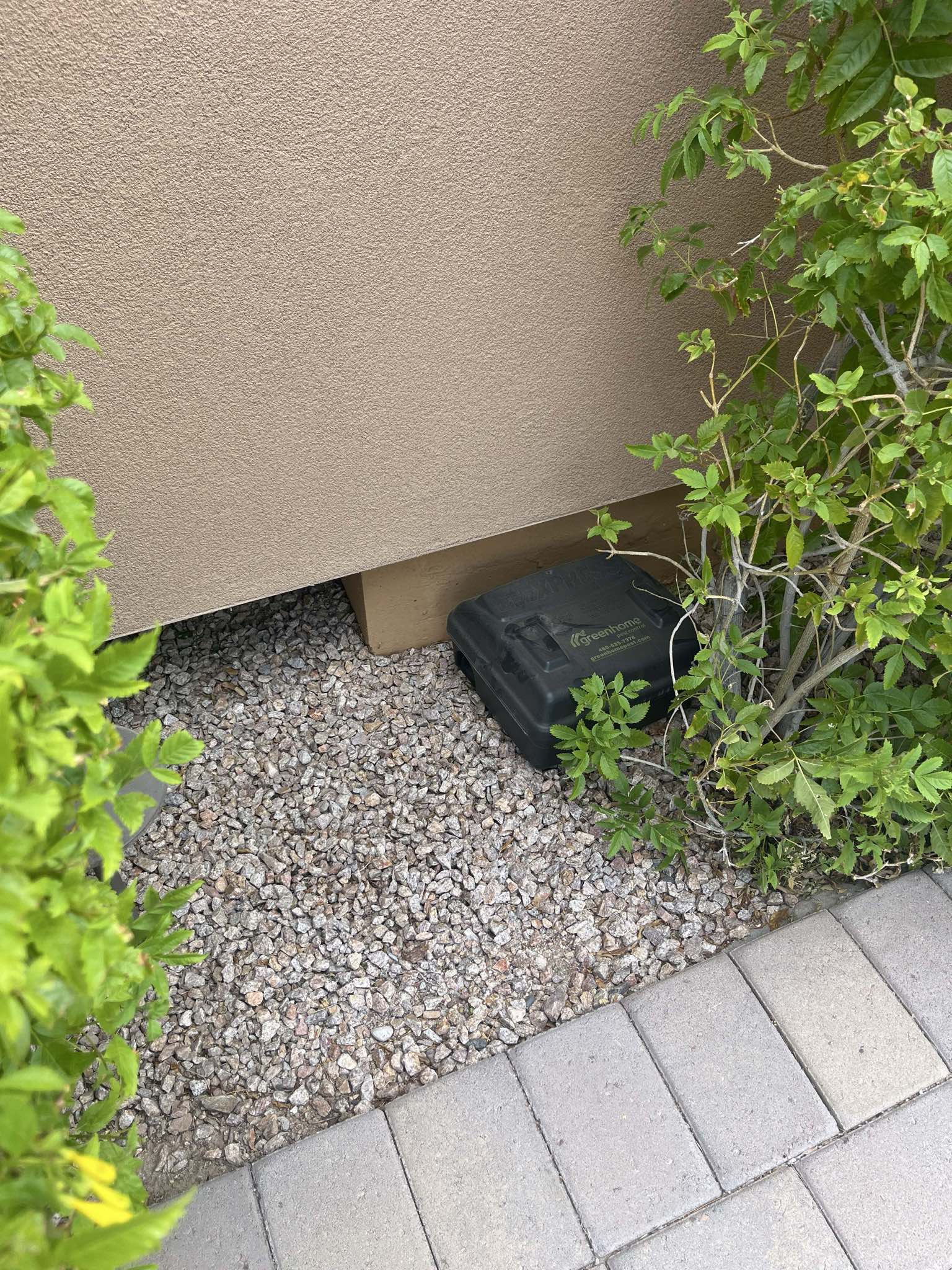
When bait stations make sense, we install tamper-resistant stations in protected areas where rodents feed and travel. Placement is based on the inspection and your property layout, with focus on fence lines, garages, attics, and utility runs. We monitor consumption and adjust station locations to match movement patterns. Baiting works best alongside cleanup and storage changes that reduce attractants like pet food and trash overflow. We also check for new entry points that show up after weather shifts, repairs, or landscaping changes.
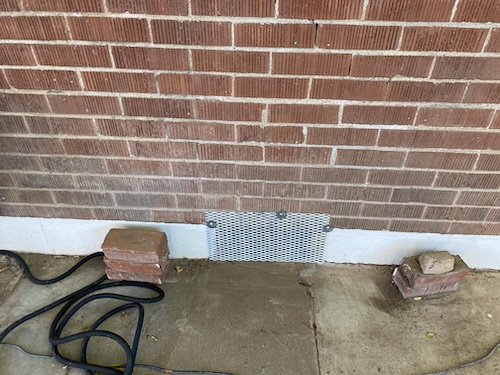
Exclusion is how we help stop the next wave from moving in. We identify entry gaps around doors, vents, roof lines, plumbing penetrations, and garage areas, then recommend fixes or perform sealing where appropriate. After sealing, we keep monitoring with follow-up checks and adjust trapping or baiting if we see fresh signs. Phoenix homes can open small gaps as materials expand and contract with heat, so periodic checks matter. You’ll get a clear list of what was sealed and what to watch for between visits.
Rodent problems hit every property type in Phoenix, from single-family homes to busy storefronts. We tailor our work to your layout, access needs, and activity level, then follow up to confirm results and reduce repeat issues.

We help homeowners stop mice and rats in attics, garages, crawl spaces, and around the yard. Service includes inspection, trapping or baiting, and guidance on food storage and clutter. We can offer kid-and-pet friendly options on request and schedule within a clear two-hour window. Follow-ups confirm activity drops and allow adjustments if new signs appear.

We help Phoenix businesses reduce rodent activity in storage rooms, break areas, loading zones, and exterior trash locations. We focus on inspection, targeted trapping or baiting, and entry point recommendations that fit your operations. Scheduling stays predictable with a two-hour arrival window, and we document findings for your records. Follow-ups verify results and support ongoing prevention.

Get total home protection starting at $49 per month. Don’t wait for a problem to happen. Protect your home with our professional and affordable pest control plan for one low monthly price.

4 services per year. 365-day coverage. Our quarterly treatments ensure your home stays pest-free all year long.

No limits. No hidden fees. Need extra help? We’ll return as often as needed—free of charge.

Certified by Arizona’s Department of Agriculture and background-checked for your peace of mind.

A thorough, proven process covering every inch of your home to eliminate pests.

99.9% on-time service with technicians who track every minute spent treating your home.

Avoid $3,000 in repair costs with a free $228 year-round termite protection plan.¹
Or call for same-day service
We provide rodent control for Phoenix homes and businesses dealing with mice or rats. Desert heat and seasonal monsoons push rodents indoors fast. Call us for same-day availability and a clear two-hour arrival window today.
Nearest Location:
16042 N 32nd St Ste B13, Phoenix, AZ 85032
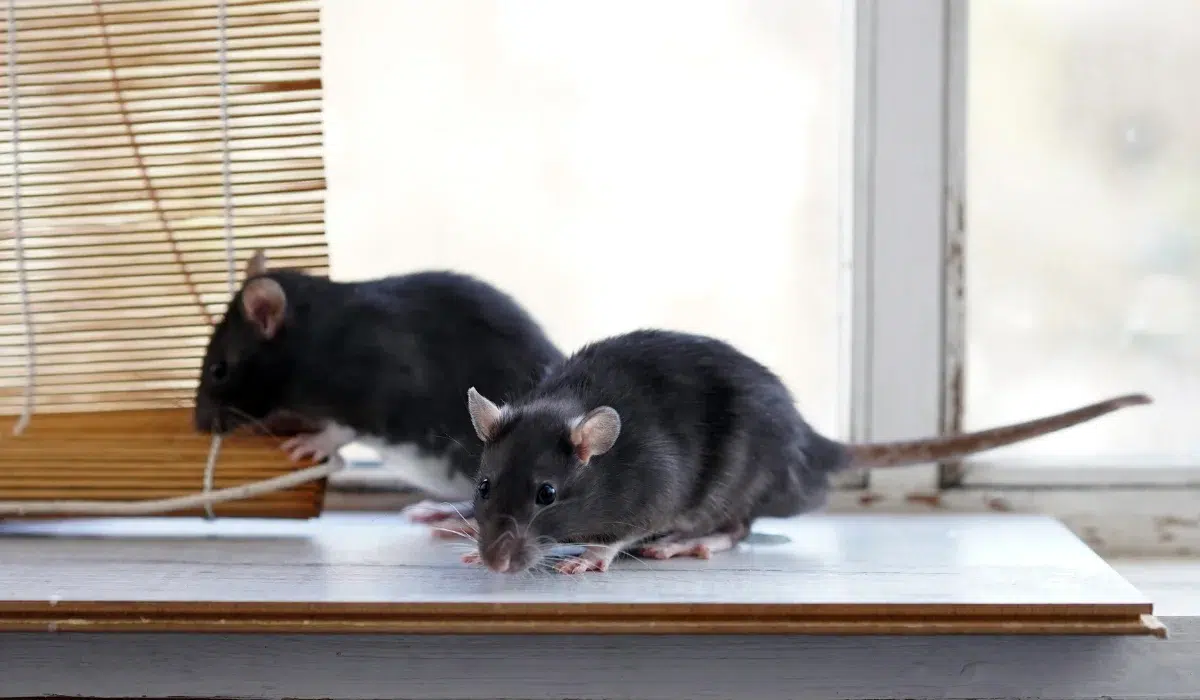
See all service areas we coverRoof rats and house mice are among the rodents we most often deal with in the Phoenix area, and Norway rats can show up in some properties as well. Roof rats are strong climbers, so activity may be heard in attics, roof lines, trees, and wall voids. House mice are smaller and can fit through very tight openings, which makes garages, storage areas, and kitchens common trouble spots.
A quick sighting does not always tell the whole story. Droppings, gnaw marks, rub marks, entry gaps, and where the sounds are coming from usually give a clearer picture than appearance alone. Correct identification matters because trap placement, bait station use, and exclusion recommendations can change based on whether mice or rats are active. If you are hearing scratching overhead or finding droppings near stored items, the next step is to confirm the type of rodent and where it is traveling.
Rodent activity often shows up before anyone sees an animal. Common signs include small droppings in cabinets, garages, attics, pantries, or along walls, as well as gnaw marks on food packaging, wood, insulation, or wiring. You may also notice scratching, squeaking, or running sounds at night, especially near ceilings, walls, and roof areas. Greasy rub marks can appear along baseboards or entry points where rodents travel the same path repeatedly. Nesting material, shredded paper, disturbed insulation, and unusual pet interest in one spot can also be clues.
One caveat is that not every sign is fresh. Old droppings or past damage can remain after activity has stopped, so the pattern matters. Fresh droppings, new gnawing, repeated sounds, or multiple signs in different areas usually point to current activity. If signs keep appearing after cleanup, it is time to locate the travel routes and entry points.
Rodents usually enter through small gaps around doors, garage seals, vents, roof lines, plumbing penetrations, utility lines, and damaged exterior materials. Mice can squeeze through very small openings, and rats can use roof edges, tree limbs, block walls, and utility runs to reach higher access points. Once inside, rodents tend to stay near food, water, warmth, and shelter.
Prevention starts with reducing access and attractants. Seal gaps with durable materials, repair door sweeps, screen vents where appropriate, trim branches away from the roof, store pet food in sealed containers, and keep trash areas tight and clean. Clutter in garages and storage rooms can make activity harder to spot and gives rodents more cover. It is also important not to seal every opening before active rodents are addressed, because that can trap them indoors. A good prevention effort pairs exclusion with trapping or baiting when current activity is present.
Rodents can create property concerns and sanitation issues, so these pests should not be ignored. Mice and rats may chew insulation, stored items, food packaging, and, in some cases, wiring or utility materials. Rodent droppings and urine can contaminate surfaces or stored goods, and nesting can damage attic insulation or create odor problems. Mice and rats can also bring in other pests, depending on the environment the rodents came from. Health-related concerns vary by situation, and we do not provide medical guidance. If anyone in your household has symptoms or specific exposure concerns, it is best to speak with a qualified health professional.
From a pest control standpoint, the goal is to reduce access, remove active rodents, and address the conditions that help them return. The sooner signs are checked, the easier it usually is to narrow down entry points and limit further damage. If you are finding fresh droppings, hearing repeated noises, or seeing gnaw marks, professional service is a sensible next step.
For rodent control in Phoenix, AZ, our work starts with finding where rodents are active and how these pests are getting inside. At Green Home Pest Control, we look for droppings, rub marks, gnawing, attic activity, garage access, exterior gaps, roof line openings, and utility penetrations. Based on what we find, we place traps in travel areas or use tamper-resistant bait stations where that approach fits the property. We focus on practical placement rather than random equipment, because rodents tend to move along edges, walls, fence lines, and protected pathways.
Exclusion is the part that helps reduce repeat access. We identify gaps around doors, vents, plumbing, roof edges, and other openings, then recommend repairs or perform sealing where appropriate. Some openings require a different type of repair than pest control sealing can provide, and we will explain that when we see it. Our technicians are trained above state standards, certified, and background-checked, so customers know what was found and what was done.
The time needed depends on the size of the property, how much evidence is present, how easy it is to access the attic, garage, roofline, and exterior, and whether exclusion work is simple or more involved. An initial visit usually focuses on inspection, identifying hot spots, placing traps or bait stations, and discussing entry point repairs. If sealing is part of the service, timing can vary because a few small gaps are different from multiple roof, vent, garage, or utility openings.
Rodent removal is often not a single-moment event. Trapping and baiting need time to show activity changes, which is why our listed process includes a two-week follow-up visit and a four-week follow-up if needed. Those visits help confirm whether movement has dropped and whether equipment placement should be adjusted. When scheduling, we can explain the expected visit window and what access will help the technician complete the work efficiently.
During a rodent control visit, the technician will ask about the signs you have noticed, such as sounds, droppings, damage, or sightings. That information helps focus the inspection on the most likely activity zones. The visit may include checking the attic, garage, storage areas, exterior perimeter, roofline access points, vents, doors, and utility penetrations. After the inspection, we explain the findings in plain language and outline the next steps.
Depending on the situation, we may place traps, install bait stations in protected locations, recommend sealing, or perform exclusion work where appropriate. We may also point out attractants such as pet food, open trash, stored bird seed, or clutter that gives rodents cover. Access matters, so locked gates, packed garages, or blocked attic entries can slow the visit or limit what can be checked. You should expect clear communication, a focused service approach, and notes on what to watch for after the visit.
DIY methods can help in a very small, isolated situation, especially if you find one clear entry point and catch activity early. The problem is that traps alone do not explain where rodents are entering, how many travel routes exist, or whether the conditions attracting them are still present. Professional help makes sense when droppings keep coming back, scratching continues for more than a night or two, you find damage in the attic or garage, you are unsure whether you have mice or rats, or activity is near food storage or business operations.
It is also wise to call when you see exterior gaps around roof lines, vents, doors, or utility openings, because exclusion is often the difference between short-term relief and repeated activity. Overusing store-bought bait without a placement strategy can also create new concerns, including dead rodents in hard-to-reach areas. If signs are spreading or returning, a professional inspection can save time and give you a clearer path forward.
Yes. Green Home Pest Control includes follow-up steps as part of the rodent service process described for this work. After traps or bait stations are placed and entry issues are addressed, we schedule follow-up visits to check whether activity has stopped, reset or adjust equipment, and look for fresh signs. Our listed process includes a two-week follow-up visit and a four-week follow-up if needed. If rodents show back up within the service window, we offer a re-treat visit.
When exclusion work is part of the service, the listed process also includes a one-year exclusion warranty. The details can depend on what was sealed, what areas were accessible, and whether new damage, construction changes, or unsealed openings appear later. We will explain what is covered before the work moves forward, so you know what to expect. If you are comparing options, ask us to walk through the follow-up schedule and exclusion coverage for your specific property.
A little preparation helps the technician inspect more thoroughly and place equipment where it is most useful. If possible, clear access to the attic entry, garage walls, water heater area, pantry, storage rooms, side gates, and any places where you have heard noises or found droppings. Keep pets secured during the visit so doors, gates, and service areas can be checked safely. Store pet food, bird seed, and pantry goods in sealed containers, and remove obvious food debris or overflowing trash before the appointment.
If you find droppings or gnaw marks shortly before the visit, take a photo or leave the area undisturbed if it is safe to do so, because fresh evidence can help us locate travel paths. For any cleanup concerns, follow general public health guidance rather than guessing. It also helps to make a quick list of when you hear sounds, where signs appeared, and whether activity is worse at night. Those details often point us to the right starting area.
"*" indicates required fields