What Phoenix Homeowners Should Know About the Most Painful Sting
Author: Jonathan Anderson

Protect your home and family from ants, spiders, scorpions, rodents, and other Tucson pests.
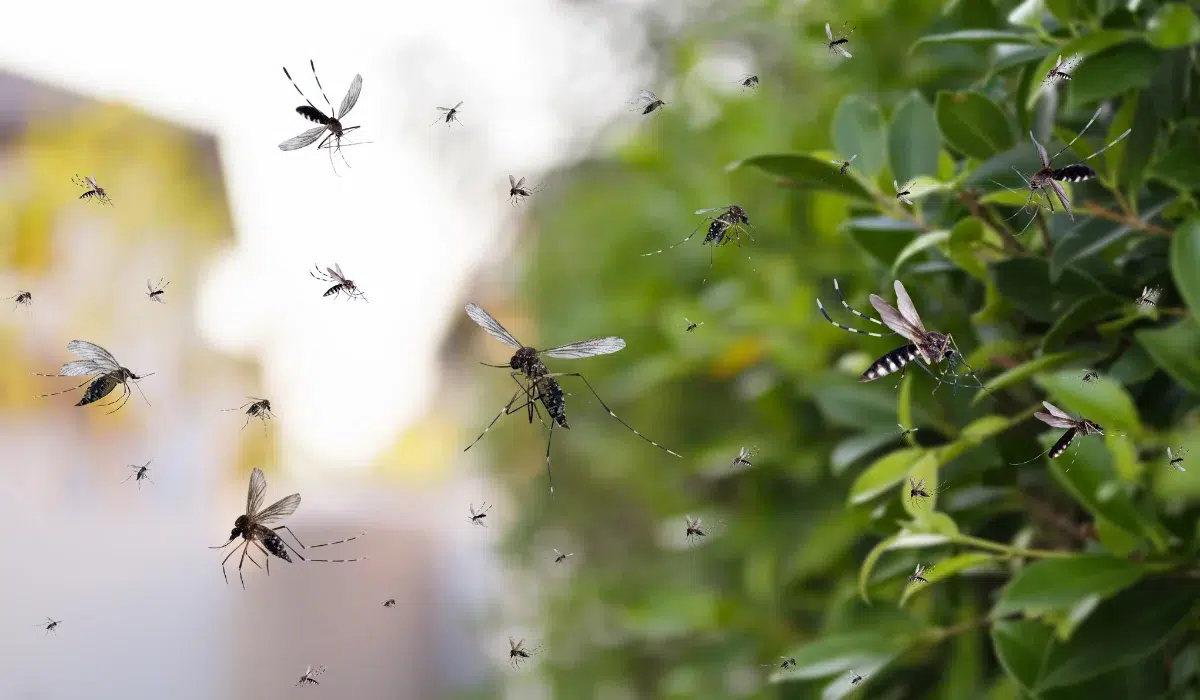
If you live in Arizona, you likely ask the same question every year. When do mosquitoes go away in Arizona, and why do they seem to stick around so long?
Even though Arizona is a desert, mosquitoes still find what they need. Warm weather, summer storms, and regular yard watering give them plenty of chances to survive. That is why one yard may feel fine while another gets bitten every time someone steps outside.
The good news is that mosquito season does slow down. It just takes time. When you understand how mosquito activity works, it becomes easier to know what is normal and how mosquito control in Arizona can help make your yard more comfortable again.
This video walks through how mosquitoes behave around homes and what draws them into yards in the first place. It shows homeowners which water sources they often overlook, explains how mosquito activity increases after storms, and helps them know when they may need extra help. If mosquitoes keep showing up no matter what you try, this video helps explain why.
Homeowners usually notice mosquitoes taper off in late fall. When mosquitoes go away in Arizona often depends on nighttime temperatures. Once nighttime temperatures stay below the low 50s, mosquito activity slows quickly.
That timing usually falls between late October and November, depending on location. In cities like Phoenix, Mesa, Chandler, and Gilbert, warmer nights can extend mosquito activity. In Tucson, mosquitoes may linger during warm fall afternoons.
Even then, mosquitoes rarely disappear all at once. Some adult mosquitoes survive in protected areas and wait for warmer weather. That is why the season fades instead of ending suddenly.
Mosquito season in Arizona builds slowly. Early spring warmth brings mosquitoes back, especially near steady water sources. Activity stays light at first, so many homeowners do not notice an issue right away.
Things change once the monsoon season begins. Heavy rain creates standing water across neighborhoods, and mosquitoes begin breeding fast. Puddles, irrigation runoff, and forgotten containers turn into breeding areas within days.
As rain slows and water dries up, mosquito activity drops. Homes with ongoing water sources often keep mosquitoes around well past summer.
Monsoon season gives mosquitoes exactly what they need. Rain fills bird baths, flower pots, old tires, and clogged gutters. Even small amounts of stagnant water can support mosquito larvae.
Female mosquitoes lay eggs in water, and those eggs can become adults in about a week. That explains why mosquito numbers rise soon after storms, especially in areas like Phoenix and Mesa.
Because of this fast cycle, mosquito control during the monsoon season matters more than many homeowners realize. Removing water early helps prevent larger problems later.
Mosquito activity can change from one block to the next. Landscaping, watering habits, and shade all affect how comfortable mosquitoes feel around a home. Yards with thick plants and frequent watering often see more activity.
Cities like Scottsdale, Chandler, and Gilbert often experience longer mosquito seasons because irrigation supplies a steady water supply. Even after the rain stops, moisture remains available.
This difference in mosquito activity is why mosquito identification in Arizona becomes helpful. Different mosquito species behave differently, which explains why some bite during the day while others show up at dusk.
Several mosquito species live in Arizona, but one causes most problems. Aedes aegypti thrives in urban areas and prefers staying close to people. It often bites during the daytime, which surprises many homeowners.
Other species prefer evenings and larger water sources. Some tolerate cooler temperatures better, which explains why adult mosquitoes may still appear later in the year.
Knowing which mosquitoes live nearby helps guide effective mosquito control when activity feels unusual or ongoing.
Mosquito bites are annoying, but health risks matter too. West Nile virus remains the most common mosquito-borne disease reported in Arizona.
Health officials also monitor chikungunya, dengue fever, Zika virus, yellow fever, and encephalitis. While cases stay limited, prevention remains the best approach.
Using insect repellent, wearing long sleeves during peak hours, and reducing mosquito breeding areas all help. Many homeowners still rely on DEET-based products for added protection when spending time outside.
Arizona winters rarely stay cold for long. As a result, mosquitoes often survive longer than expected. Some remain active during warm afternoons, while others shelter until temperatures rise again.
Homes with steady water sources often experience year-round mosquito activity. Irrigation runoff, water features, and clogged gutters allow populations to linger.
Consistent mosquito control helps stop leftover mosquitoes from rebuilding once spring returns.
Reducing mosquitoes starts with water control. Empty bird baths each week, dump water from flower pots, and remove puddles when possible. Clear gutters so water flows freely.
Adjust landscaping and irrigation to avoid overwatering. Trim plants to improve airflow and reduce shaded resting areas.
Some homeowners explore natural remedies to deter mosquitoes in their Arizona yard. These can help reduce activity, but they work best when paired with routine mosquito control.
If mosquitoes keep returning despite your efforts, professional treatment can help. Pest control services can identify hidden breeding areas and apply targeted solutions.
We work with homeowners across Phoenix, Scottsdale, Chandler, Mesa, Gilbert, and Tucson. Treatments focus on reducing mosquito populations while staying family- and pet-friendly.
Professional services can also uncover other concerns, such as termites, bed bugs, or early signs of infestation.
So, when do mosquitoes go away in Arizona? The answer depends on weather, water, and preparation. Cooler nights slow activity, but yard conditions still play a big role.
By reducing standing water, monitoring mosquito activity, and using professional mosquito control when needed, you can enjoy your outdoor space longer. Arizona evenings should feel relaxing, not itchy.
If mosquitoes continue to disrupt your yard, our team at Green Home Pest Control can help.
Contact us today to get started and move closer to a mosquito-free home.
Mosquito season usually peaks during the monsoon season from July through September. Rain creates breeding grounds that quickly increase mosquito populations.
Mosquitoes slow down during winter, but mild temperatures allow some to survive. Activity usually drops after a series of cold nights.
Standing water, clogged gutters, bird baths, puddles, and overwatered landscaping all attract mosquitoes and support breeding.

Serving Arizona since 2012

Pest-free guarantee

Small, local business



"*" indicates required fields