What Phoenix Homeowners Should Know About the Most Painful Sting
Author: Jonathan Anderson

Protect your home and family from ants, spiders, scorpions, rodents, and other Tucson pests.
What are arthropods? They are animals with segmented bodies, jointed appendages, and a hard outer covering called an exoskeleton. The group includes insects, spiders, scorpions, ticks, mites, centipedes, millipedes, and several other animals.
For Mesa homeowners, the term matters because many creatures found around patios, garages, block walls, landscaping, and indoor spaces belong to this broad category. Some arthropods are harmless or beneficial. Others can become household pests when they enter the home, build nests close to people, or appear repeatedly indoors.
Correct identification should come before treatment. A spider, ant, scorpion, and centipede may all be arthropods, but each requires a different response.
The word “arthropod” comes from a scientific classification used for a large and diverse group of animals.
The University of Arizona Cooperative Extension’s entomology guide identifies three key features:
The exoskeleton protects the animal and provides structural support. Because it does not expand continuously, an arthropod must shed its outer layer as it grows. This process is called molting.
A shed outer layer may appear in a garage, garden bed, or storage area. Finding one does not always mean that a serious pest problem is present. Its shape and location can help with identification.
No. Insects form one part of the arthropod group.
Adult insects have six legs and a body divided into three main sections: head, thorax, and abdomen. Some have wings, although wings are not required for an animal to qualify as an insect.
Common examples include:
Spiders and scorpions belong to a different arthropod class called Arachnida. They have eight legs rather than six.
This distinction matters when you are deciding what to do next. A spray, trap, exclusion step, or professional service designed for one type of pest may not address another.
The University of Arizona guide separates arthropods into several groups. Not all of them are likely to appear inside a home, but the categories can help homeowners identify unfamiliar visitors.
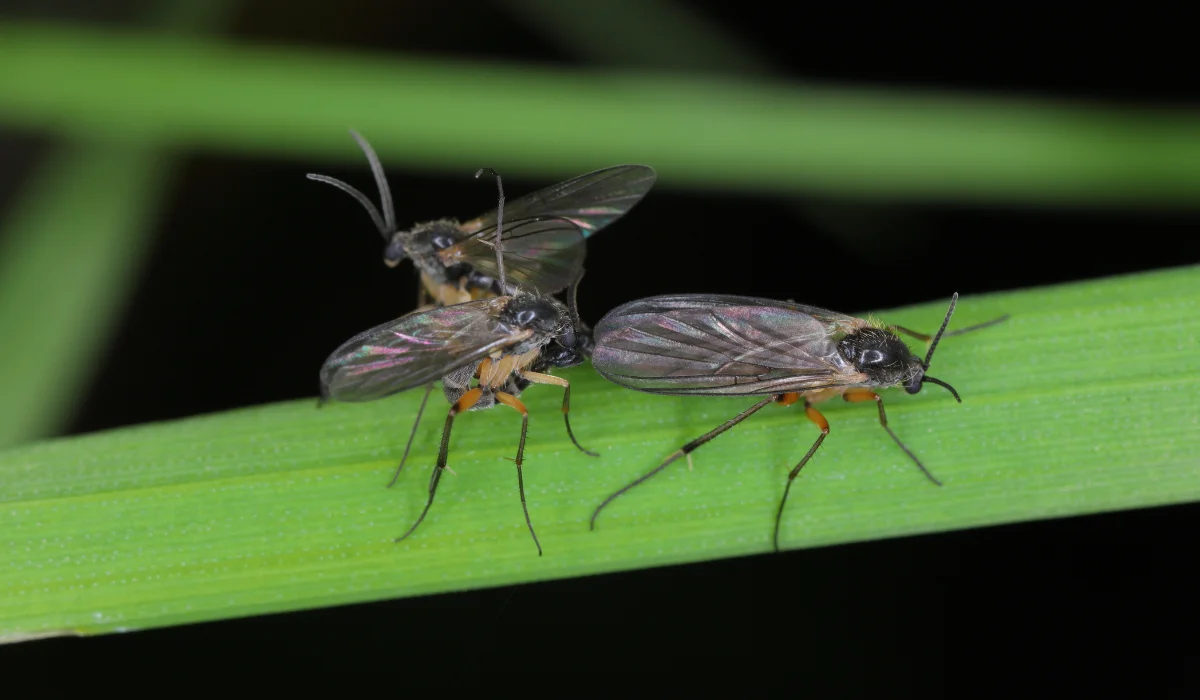
Insects have six legs. Ants, roaches, crickets, flies, mosquitoes, bees, wasps, and mantises all belong to this group.
Some insects enter accidentally through doors or windows. Others may find food, water, or nesting areas around the property.
Arachnids include spiders, scorpions, ticks, and mites. They have eight legs as adults.
Spiders often appear where prey insects are available. Scorpions may use cracks, block walls, garages, landscaping, and shaded hiding places around a property.
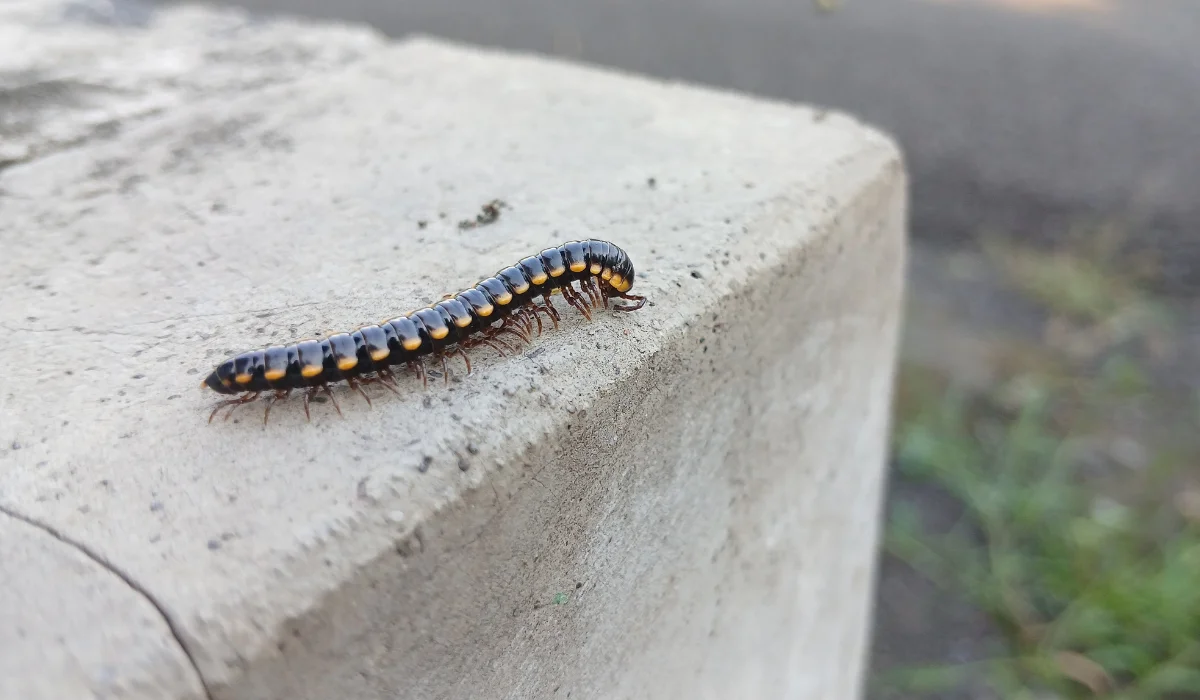
Centipedes and millipedes have many legs and elongated bodies, but they are not insects.
Centipedes are predators. The University of Arizona Cooperative Extension’s centipede guide explains that Arizona has several species, including the giant desert centipede.
Millipedes usually feed on decaying plant material. They may enter homes accidentally, especially when conditions outdoors change.
Most people associate crustaceans with aquatic animals such as crabs and lobsters. However, sowbugs and pillbugs also belong to this arthropod group.
These small animals are often found in damp outdoor areas beneath pots, mulch, boards, or organic debris. They may wander indoors but usually point to excess moisture rather than an indoor infestation.
Mesa properties can attract different arthropods depending on the layout, entry points, landscaping, moisture sources, and available food.
Green Home Pest Control’s Mesa pest-control page lists scorpions, ants, spiders, cockroaches, crickets, earwigs, silverfish, termites, mosquitoes, and occasional bed bugs among the pests found around local properties.
Ants may form trails along patios, foundations, kitchen counters, and irrigation areas. A few ants outdoors may not require treatment. Recurring indoor trails can point to an entry gap, food source, or nesting area that needs attention.
Cockroaches may hide near appliances, plumbing areas, drains, garages, and storage spaces. Food residue, leaks, cardboard boxes, and small exterior gaps can support activity.
Repeated indoor sightings, droppings, egg cases, or daytime activity provide stronger reasons to request an inspection.
Many spiders remain outdoors and help control insects. Indoor sightings may increase when prey insects are present or when spiders enter through gaps.
Green Home Pest Control’s Mesa spider-control service focuses on webs, egg sacs, entry gaps, patios, garages, eaves, and block walls.
Scorpions are arachnids rather than insects. They can hide beneath objects, inside garages, near block walls, and around exterior cracks.
Green Home Pest Control’s Mesa scorpion-control service includes inspections of hiding zones, moisture areas, and entry gaps before treatment is recommended.
Avoid handling a scorpion. Keep children and pets away from the area and request professional support when sightings continue.
Centipedes may enter homes accidentally while looking for shelter or prey. They often remain hidden in dark areas.
A single centipede does not always signal a larger problem. Recurring sightings may indicate moisture, accessible entry points, or the presence of other insects that provide a food source.
The answer depends on the species and the location.
The EPA’s integrated pest-management principles emphasize that many organisms are harmless and some are beneficial. Accurate identification helps prevent unnecessary pesticide use.
A praying mantis resting on a shrub can be left alone. A spider outdoors may be reducing the number of insects near the property. Pillbugs in a garden bed usually do not require indoor pest treatment.
The situation changes when arthropods:
The goal is to respond to the actual problem rather than treating every outdoor insect as a threat.
A small creature moving across a bathroom floor may be difficult to identify at first. It could be an insect, spider, centipede, or another arthropod.
Treatment depends on the answer.
For example, ants may require attention to trails and entry points. Roach control may involve sanitation, moisture reduction, and targeted baiting. Spider control may focus on webs and prey insects. Scorpion control may require exterior treatment and sealing.
The University of Arizona Department of Entomology provides insect-identification support for homeowners, gardeners, and businesses dealing with unfamiliar insects and related pests.
When possible, take a clear photo before cleaning the area or removing the arthropod. Note the room, time of day, and nearby conditions. This information can make identification easier.
A practical prevention plan starts with entry points, food, water, and hiding places.
Inspect screens, door sweeps, weatherstripping, and patio doors. Repair tears and gaps that give crawling insects and arachnids a route indoors.
Fix plumbing leaks and check irrigation areas near the foundation. Empty containers that collect water. Avoid leaving damp materials in garages or storage spaces.
Clear unnecessary clutter from patios, garages, and exterior walls. Move stacked items away from the structure. Check beneath pots, boards, and stored materials periodically.
Clean food residue, store pantry items securely, and avoid leaving pet food out overnight. Keep trash containers closed and rinse recyclable cans and bottles.
Look at foundations, block walls, landscaping, patio covers, and garage entrances. Recurring activity near one location may reveal an entry path or nesting area.
These steps support prevention, but they may not resolve an established infestation on their own.
A single harmless arthropod outdoors usually does not require treatment. Professional help becomes useful when the activity is recurring, difficult to identify, or affecting how you use the home.
Schedule an inspection when:
An inspection can help separate an occasional outdoor visitor from a pest issue that requires targeted treatment.
Green Home Pest Control provides pest-control services in Mesa for homes and businesses dealing with scorpions, ants, roaches, spiders, and other pests.
The process begins with an inspection of the property. The technician checks entry points, exterior areas, yards, garages, and indoor hotspots based on the activity reported.
After identifying the pest, the team recommends a plan suited to the property layout and the areas where the arthropods are hiding or entering. Treatment may focus on foundations, wall voids, yards, cracks, crevices, and selected indoor areas when needed.
This approach connects identification, treatment, and prevention rather than reacting to isolated sightings.
Understanding what arthropods are can help you decide when to leave an outdoor visitor alone and when to request support. If scorpions, roaches, ants, spiders, or other pests continue appearing around your Mesa home, an inspection can clarify the source.
Request a free quote from Green Home Pest Control to schedule a Mesa pest inspection and receive recommendations based on the activity found around your property.
Arthropods are animals with segmented bodies, jointed appendages, and a hard outer shell called an exoskeleton. Insects, spiders, scorpions, centipedes, and millipedes are arthropods.
Yes. Spiders are arachnids, which are part of the arthropod group. Adult spiders have eight legs, while adult insects have six.
No. Scorpions are arachnids. Like spiders, they have eight legs and belong to the broader arthropod group.
No. Many arthropods are harmless or beneficial. Some prey on other insects, pollinate plants, or help break down organic material. Treatment makes sense when a species creates a recurring household problem or safety concern.
Arthropods may enter through gaps around doors, windows, utility lines, garages, and foundations. Moisture, prey insects, food residue, and sheltered hiding places can also attract them.

Serving Arizona since 2012

Pest-free guarantee

Small, local business



"*" indicates required fields