Gnats Bugs: A Mesa Guide
Author: Jonathan Anderson

Protect your home and family from ants, spiders, scorpions, rodents, and other Tucson pests.
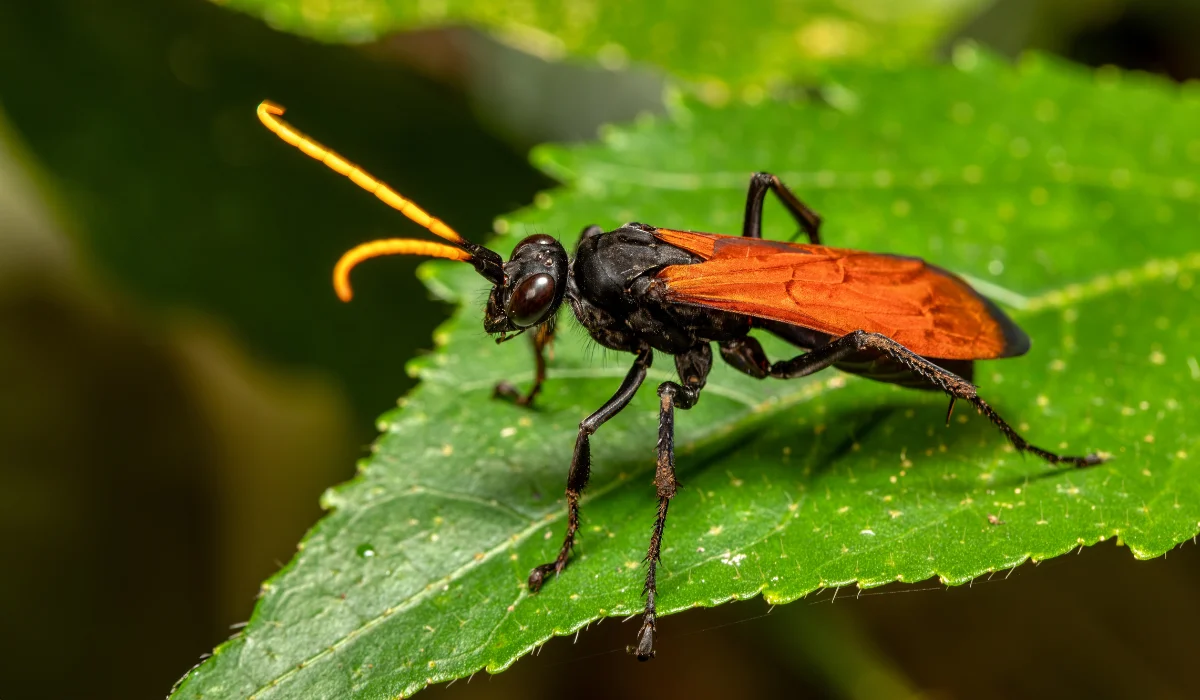
The tarantula hawk wasp is a strong answer when Phoenix homeowners ask which local insect has the most painful sting. The female tarantula hawk can deliver an intense sting if handled or threatened. However, pain alone does not tell you which sting presents the greatest health concern.
A bee, paper wasp, hornet, or yellow jacket sting may trigger a serious allergic reaction in a sensitive person. Arizona bark scorpion stings also require careful attention because the symptoms can differ from the reaction caused by a stinging insect.
The practical lesson is simple: avoid handling unfamiliar insects, keep a safe distance from nests, and pay attention to symptoms after any sting.
The female tarantula hawk wasp is consistently associated with one of the most painful insect stings in the world. The Arizona-Sonora Desert Museum’s tarantula hawk fact sheet describes the sting as intensely painful, although the wasp is not typically considered lethal.
Tarantula hawks are large wasps with dark bodies and striking orange or reddish wings. Their appearance serves as a warning to predators. Females use their stingers to paralyze tarantulas as part of their reproductive cycle.
The University of Arizona’s Backyard Bugs of Arizona guide notes that tarantula hawks may appear during monsoon season and should not be picked up.
The safest response is to leave the insect alone and give it space. A tarantula hawk found outdoors and away from a busy area does not automatically require pest control.
Not necessarily. Pain rankings can help describe an experience, but they should not replace a health assessment.
A less painful sting can still become a medical emergency if the person develops an allergic reaction. The Arizona Poison and Drug Information Center explains that many people experience local redness, itching, swelling, and pain after a sting. More serious reactions can include widespread welts, nausea, vomiting, or labored breathing.
The federal Poison Help guidance for bites and stings advises seeking immediate medical attention for:
Call 911 for a severe reaction. For poison-related questions in the United States, Poison Help connects callers with a local poison center at 1-800-222-1222.
A tarantula hawk may attract attention because of its size and reputation, but homeowners are more likely to encounter other stinging pests near the house.
Paper wasps build exposed nests from chewed wood fibers. The nests often appear beneath eaves, patio covers, and other sheltered areas.
The University of Arizona’s backyard insect guide notes that paper wasps are active during warm parts of the year and can behave aggressively when their nest is disturbed.
Avoid standing close to an active nest or striking it with an object. A professional can inspect the area and determine the safest removal approach.
Bees support pollination and should be left alone when they are foraging outdoors and away from people. A cluster, hive, or recurring flight path near an entry point requires a different response.
Green Home Pest Control’s stinging-insect guide explains that bees, hornets, and wasps become a concern when they nest close to homes, yards, and areas where families spend time.
Avoid blocking a suspected hive entrance before an inspection. Bees may be entering a wall void, shed, tree, or another protected space.
Hornets and yellow jackets can defend nesting areas when disturbed. Their activity near patios, doors, outdoor dining areas, or play spaces deserves attention.
Do not attempt to identify the nest by approaching it closely. Track where the insects are entering and leaving from a safe distance and share that information with a pest-control professional.
Arizona homeowners may also encounter stinging ants outdoors. The University of Arizona notes that harvester ants can deliver a painful sting and that native fire ants are known for a burning sensation.
Give ant mounds space, especially in areas where children or pets spend time. Avoid stepping on the nest or disturbing the soil around it.
Scorpions are arachnids rather than insects, but they belong in the conversation because Phoenix homeowners may encounter them in and around the home.
Do not assume that a scorpion sting should be handled in the same way as a bee or wasp sting. The University of Arizona Health Sciences recommends calling the Poison Control Center at 1-800-222-1222 after a scorpion sting for guidance based on the symptoms.
Green Home Pest Control offers a separate scorpion-control service in Phoenix that focuses on inspections, likely hiding spots, entry points, treatment, and prevention steps.
If scorpions continue to appear inside the home, schedule an inspection rather than relying on individual sightings as the only signal.
Wasps often choose sheltered areas with nearby access to outdoor spaces. A nest may be easy to overlook until flight activity increases.
Green Home Pest Control’s Phoenix wasp-control page identifies several common inspection areas:
Pay attention to patterns. A single wasp visiting flowers does not necessarily indicate a nest on the property. Repeated flights into the same gap or sheltered area provide a stronger reason to request an inspection.
Keep people and pets away from the area. Avoid standing beneath the nest, striking it, spraying it with an improvised product, or trying to knock it down.
Watch the area from a safe distance and note the location. A photo taken without approaching the nest may help with identification.
Schedule professional help when:
Green Home Pest Control begins its Phoenix wasp service by locating active nests and flight paths. When a nest is accessible, the team treats the site and removes or knocks down the nest after activity drops. Follow-up options are available when activity continues.
No prevention method can guarantee that wasps will stay away, but routine maintenance can make the property easier to inspect and reduce some nesting opportunities.
Focus on visible problem areas:
Do not seal an opening while insects are actively entering and leaving it. An inspection can help determine whether the activity leads to a wall void or another hidden nesting area.
Many insect stings cause temporary pain, redness, itching, or swelling near the site. A serious reaction requires prompt medical attention.
Call 911 when the person has trouble breathing, collapses, cannot be awakened, or develops another severe symptom.
Seek immediate medical care for signs such as hives, dizziness, or swelling around the eyes or mouth. Poison Help is also available at 1-800-222-1222 for guidance on bites, stings, and poison-related exposures.
This article provides general information and does not replace medical advice. When symptoms cause concern, contact a healthcare professional or emergency service.
The most painful sting may come from a tarantula hawk, but an active nest near a Phoenix home presents the more immediate property concern. If wasps continue to appear around a patio, doorway, eave, or block wall, a professional inspection can help locate the source.
Request a free quote from Green Home Pest Control to schedule a Phoenix wasp inspection and receive a treatment plan based on the nest location and activity level.
The female tarantula hawk wasp is known for one of the most painful insect stings in the world. Avoid handling the wasp or disturbing it outdoors.
Tarantula hawks are not typically aggressive toward people, but females can sting when handled or threatened. Leave them alone and keep a safe distance.
No. Avoid approaching, striking, or spraying an active nest. A professional can identify the insect, inspect the location, and choose a safer removal plan.
Pain alone does not determine the severity of a reaction. Call 911 for serious symptoms such as trouble breathing or collapse. Seek prompt medical attention for hives, dizziness, or swelling around the eyes or mouth.
Call Poison Help at 1-800-222-1222 for guidance after a scorpion sting. Call 911 immediately when severe symptoms occur.

Serving Arizona since 2012

Pest-free guarantee

Small, local business



"*" indicates required fields