What Phoenix Homeowners Should Know About the Most Painful Sting
Author: Jonathan Anderson

Protect your home and family from ants, spiders, scorpions, rodents, and other Tucson pests.
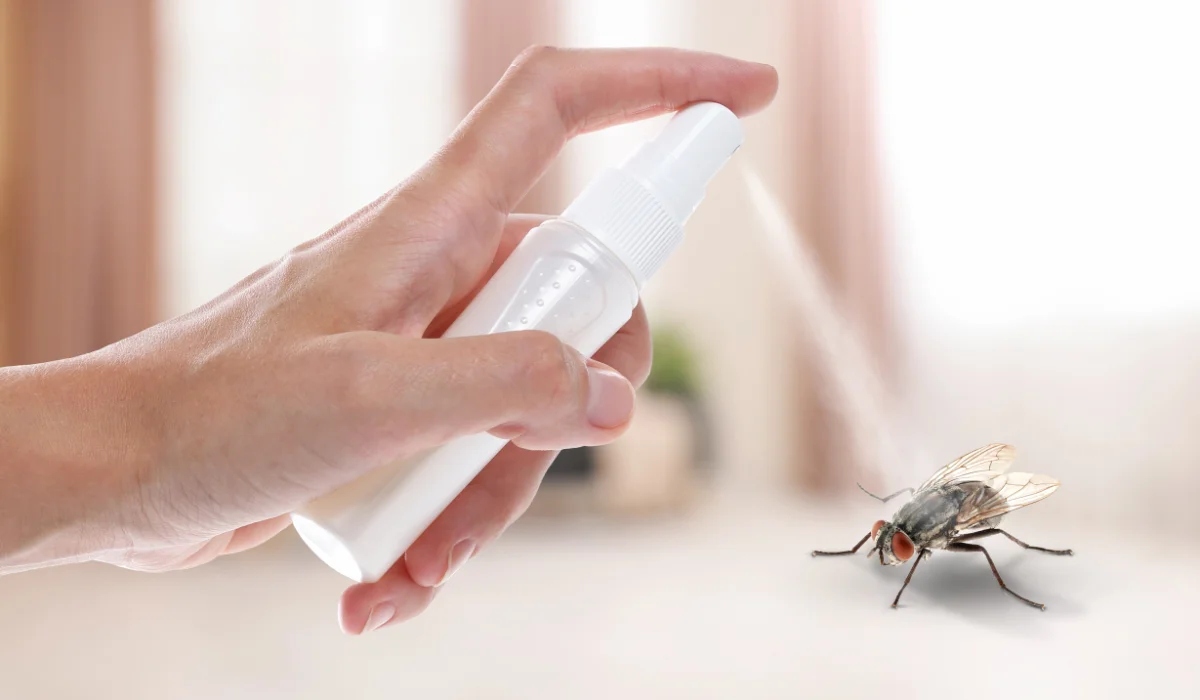
A homemade fly repellent may reduce the number of flies you notice for a short time, but it rarely solves the source of the problem. Flies can keep returning when they have access to food residue, drains, trash bins, compost, pet waste, standing water, or gaps around doors and windows.
Arizona homeowners should start by identifying the type of fly and the area where activity is strongest. A fruit fly gathering near produce requires a different response than a drain fly resting near a bathroom sink or a house fly entering through a damaged screen.
The most effective DIY plan usually combines cleaning, moisture control, exclusion, and simple traps. Repellent sprays should not replace those steps.
The answer depends on what you expect the mixture to do.
A homemade spray may make one small area less attractive to flies for a limited period. A trap may catch some adult flies. Neither approach can remove larvae developing in a drain, trash bin, compost pile, or other source of moist organic material.
The University of Arizona Cooperative Extension’s guide to common household flies and prevention recommends focusing on sanitation, exclusion, leak repair, drain cleaning, and traps such as sticky paper.
This approach addresses the conditions that allow flies to remain active. Spraying the insects you see may lower the visible number briefly while the source remains untouched.
“Fly” is a broad category. Before choosing a DIY method, note where the insects appear, what they look like, and whether the activity is concentrated near a specific source.
House flies are larger than fruit flies and drain flies. They may enter through open doors, damaged screens, or gaps around the home.
The University of Arizona identifies the common house fly by the four dark stripes on the middle section of its body. These flies may pick up germs from decaying organic material and transfer them to exposed surfaces.
House fly control should focus on entry points and outdoor attractants, including trash containers, pet waste, and food residue.
Fruit flies are small and often gather near ripening produce, recycling bins, sweet drinks, and food waste. The University of Arizona notes that they are attracted to ripened or rotting fruit, moist organic matter, juices, and sodas.
A trap may catch adult fruit flies, but the activity will continue if the food source remains available.
Drain flies, also called moth flies, are small and fuzzy. Their appearance can resemble a tiny moth. They often rest on walls near sinks, showers, floor drains, and other damp fixtures.
Their larvae can develop in wet areas with decaying organic matter, including sink overflows, floor drains, buckets, and containers that hold water and residue.
Green Home Pest Control’s guide to drain fly infestations in Arizona explains why recurring activity near a fixture requires attention to the drain rather than the adult flies alone.
One of the most common DIY methods is a small vinegar trap. This is better described as a trap than a homemade fly repellent because it attracts certain flies into a container.
Green Home Pest Control’s guide to eco-conscious pest-control methods describes a simple fruit-fly trap made with apple cider vinegar and a small amount of dish soap.
The method can help reduce adult fruit flies near a kitchen hotspot. It does not resolve house flies entering from outdoors or drain flies breeding inside a plumbing fixture.
Use a vinegar trap alongside basic cleanup:
Place any trap where children and pets cannot reach it, and clean the container after use.
Some homeowners use scented mixtures made with peppermint, citronella, or other plant-based ingredients. These sprays may create an odor that some insects avoid temporarily, but they should not be presented as a complete fly-control plan.
A scent-based spray does not clean a drain, remove food residue, repair a damaged screen, or eliminate a breeding site.
Avoid applying concentrated oils to food-preparation surfaces, bedding, pet areas, or a person’s skin unless the product is specifically intended and labeled for that use. Plant-derived ingredients can still cause irritation or create risks when used incorrectly.
For store-bought pesticide or repellent products, follow the label exactly. The EPA’s pest-control safety guidance advises homeowners to use pesticides correctly, avoid applying outdoor chemicals indoors, and avoid assuming that using more product will improve the result.
A fly problem becomes easier to manage when you remove the conditions that attract the insects.
The University of Arizona recommends several practical prevention steps for Arizona homes:
You do not need to complete every step at once. Start with the room where the flies are most active and look for the most likely source.
A focused inspection can help you avoid wasting time on a homemade fly repellent that does not match the problem.
Check fruit bowls, counters, trash bins, recycling containers, pantry shelves, and the areas beneath appliances. Clean sticky residue from bottles and cans before storing them.
Inspect the sink drain if small flies gather near the basin. Food particles and organic buildup may support activity.
Green Home Pest Control’s guide to fly control in Arizona kitchens provides additional steps for house flies, fruit flies, and drain flies.
Look for small fuzzy flies resting on walls near sinks, showers, tubs, and floor drains. Clean slow drains and address leaks around fixtures.
A recurring moisture issue may need plumbing repair. Killing adult drain flies without addressing the buildup usually leads to continued activity.
Keep outdoor trash bins closed and clean. Pick up pet waste and fallen fruit. Check compost piles for exposed food scraps and excess moisture.
Green Home Pest Control’s guide to keeping flies and other pests out of compost bins explains how lids, airflow, and covered food scraps can reduce pest activity.
Inspect screens, door sweeps, weatherstripping, vents, and exterior gaps. House flies may enter even when indoor sanitation is good.
Green Home Pest Control’s guide to reducing fly activity in Phoenix homes recommends checking entry points and limiting food, water, and odor attractants.
Avoid creating a bigger problem while trying to solve a minor one.
Do not mix household cleaners. Some combinations can release dangerous fumes. Avoid spraying bleach, ammonia, or other cleaning products into the air as fly repellents.
Do not apply outdoor pesticides inside the home. Indoor use may create exposure risks when the product was not designed for enclosed spaces.
Do not increase the amount of a pesticide beyond the label instructions. The EPA explains that using more product does not provide more protection and may harm people, pets, and plants.
Avoid transferring pesticide products into food or drink containers. Keep products in their original containers with the label intact.
A quick kitchen cleanup may reduce visible activity without reaching the source. Recurring flies often point to a hidden breeding area or an overlooked entry route.
Check for:
The source may also sit outside the home. Trash bins, animal waste, and compost piles near an entrance can support fly activity close to doors and windows.
A simple trap or sanitation step may be enough for a small fruit-fly issue. Professional support makes sense when the activity continues despite consistent cleaning and exclusion.
Schedule an inspection when:
Green Home Pest Control’s article on DIY pest control versus professional service explains why traps and fly strips may reduce visible activity without correcting the source.
Green Home Pest Control provides residential pest-control services for Arizona homes. The process starts with identifying the pest, locating hotspots, and evaluating the conditions that allow activity to continue.
For a fly problem, that may include checking drains, kitchens, trash areas, exterior entry points, moisture problems, and outdoor attractants. The treatment plan depends on the type of fly and the location of the source.
A professional inspection can help homeowners avoid repeated trial-and-error treatments and focus on the areas that require attention.
A homemade fly repellent may help with a small, temporary nuisance. Recurring activity usually calls for a closer look at drains, food residue, trash containers, moisture, and entry points.
Request a free quote from Green Home Pest Control to schedule an Arizona pest inspection and receive a plan based on the fly activity found around your home.
There is no single DIY mixture that works for every fly problem. Vinegar traps may help catch fruit flies, while cleaning drains, sealing entry points, and removing food sources address other types of activity.
Apple cider vinegar attracts certain flies rather than repelling them. A vinegar trap may catch adult fruit flies, but it will not remove a breeding source.
The source may be hidden in a drain, recycling container, trash bin, compost pile, or area beneath an appliance. House flies may also be entering through a torn screen or exterior gap.
A scented mixture may offer limited short-term relief, but it should not replace source control. Avoid applying concentrated oils to food surfaces, pet areas, or skin unless the product is labeled for that use.
Request an inspection when flies return daily, appear in multiple rooms, continue emerging near a drain, or remain active after you address sanitation, moisture, and entry points.

Serving Arizona since 2012

Pest-free guarantee

Small, local business



"*" indicates required fields