What Phoenix Homeowners Should Know About the Most Painful Sting
Author: Jonathan Anderson

Protect your home and family from ants, spiders, scorpions, rodents, and other Tucson pests.
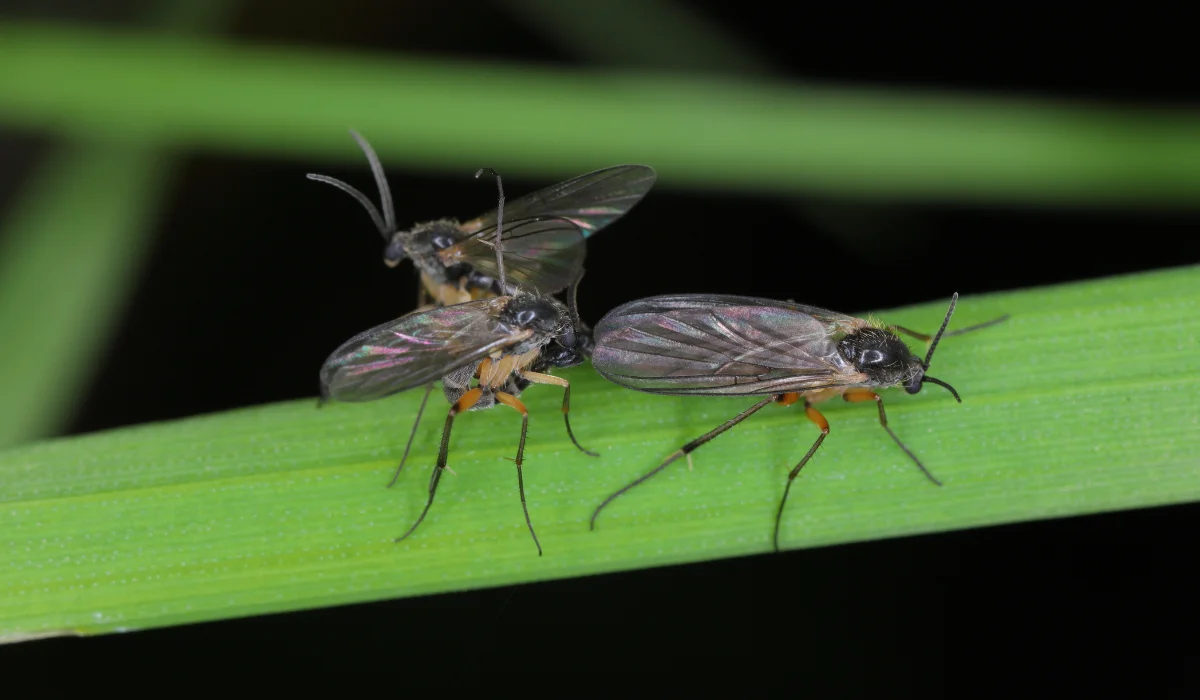
People searching for gnats bugs are usually trying to solve a frustrating problem: tiny flying insects keep appearing, but the source is difficult to identify. In a Mesa home, the insects may gather near houseplants, kitchen counters, bathroom drains, windows, or outdoor seating areas.
The word “gnat” is a broad label rather than the name of one household pest. The right response depends on the insect and where it is breeding. A small fly hovering over potting soil requires a different solution than one resting near a shower drain.
Start by identifying the hotspot. The location often provides the clearest clue.
The insects people call gnats are usually small flies. Some remain close to indoor plants. Others gather in kitchens or bathrooms. A few outdoor species can bite.
Seeing several tiny insects near a window does not reveal the source by itself. Many small flies are attracted to light. Check the surrounding area before reaching for a spray.
Ask three questions:
These details can help narrow the possibilities.
Fungus gnats are a common reason homeowners notice tiny flies around indoor plants. The University of Arizona Cooperative Extension’s fungus gnat management guide explains that the larvae of many species live in moist soil, fungi, or decaying vegetation. Some develop in the soil of potted plants.
Adult fungus gnats are small, delicate flies. They may resemble tiny mosquitoes because of their slender bodies, long legs, and antennae. The UC Statewide Integrated Pest Management Program notes that adults often remain near potted plants, wet mulch, compost, or other damp organic material.
Fungus gnats are likely when the insects:
The adults are mostly a nuisance indoors. However, larvae can feed on roots and may affect seedlings or vulnerable plants.
Start with the moisture level in the potting mix. Fungus gnats thrive in consistently damp conditions.
Allow the upper layer of soil to dry when the plant can tolerate it. Check that the pot drains correctly and avoid leaving water in saucers. Remove decaying leaves and plant debris from the soil surface.
Yellow sticky traps can help monitor adult activity around plants. However, traps do not replace moisture control because the larvae remain in the growing medium.
If the insects keep returning, inspect every plant in the room rather than focusing on the pot with the most visible activity.
Small flies resting near a sink, shower, floor drain, or laundry area may be drain flies. These insects are also called moth flies because their wings are covered with fine hairs.
The UC IPM guide to drain flies describes them as small, dark-colored flies with a fuzzy, moth-like appearance. Their wings rest over the body in a roof-like shape.
Drain flies often develop in moist organic material. They may appear near plumbing fixtures when buildup collects inside a drain or another damp area.
Inspect the areas around:
Seeing flies near a drain does not always prove that the drain is the breeding source. Check for patterns. If the insects repeatedly rest on the wall near the same fixture, that area deserves attention.
Green Home Pest Control’s guide to drain fly infestations in Arizona explains that persistent activity may require professional help when routine cleaning does not resolve the source.
Clean the inside of the affected drain rather than treating only the adult flies you can see. The goal is to remove organic residue where larvae may develop.
A drain brush or an enzyme-based drain-cleaning product can help loosen buildup. Follow the product instructions and avoid mixing household cleaners.
Also check for leaks, slow drainage, and moisture around the fixture. A recurring plumbing issue may need repair.
Tiny flies gathering near a fruit bowl, trash container, recycling bin, or kitchen counter may be fruit flies, also called vinegar flies.
The source may be easy to overlook. A piece of produce behind an appliance, residue inside a recycling container, or food waste at the bottom of a trash bin can keep the activity going.
Remove the source first:
If you compost at home, Green Home Pest Control’s guide to keeping pests out of compost bins explains how exposed food scraps and unbalanced compost conditions can contribute to fly activity.
A trap may catch some adult flies, but it will not solve the problem if a food source remains available.
A quick inspection can help you separate the two most common indoor sources.
Fungus gnats usually stay close to soil, plant pots, and windows near houseplants. They have a delicate, mosquito-like shape.
Drain flies tend to rest on walls close to sinks, showers, and other damp fixtures. Their fuzzy wings give them a moth-like appearance.
If small flies appear in both places, investigate both areas. A home can have more than one source at the same time.
Avoid spraying every visible insect without identifying the breeding site. Adult flies may disappear temporarily while larvae continue developing in soil, drains, or organic waste.
The small flies found around houseplants and indoor drains are usually nuisance pests rather than biting insects. Outdoor bites may come from a different source.
The University of Arizona Cooperative Extension’s guide to small biting midges in Arizona explains that these insects are often called no-see-ums, punkies, or sand flies. People may notice bites even when the insects are difficult to see.
Do not assume that every outdoor bite comes from a gnat. Mosquitoes, fleas, and other pests can cause similar irritation.
Seek medical care when a bite or sting causes a concerning reaction. A pest inspection can help when biting activity continues around a yard, patio, or indoor space and the source remains unclear.
Small flying insects are often a symptom of a hidden source. Killing a few adults may reduce the activity you notice for a short time without addressing the place where larvae are developing.
The better approach is to match the response to the source:
Avoid using a pesticide unless the product label allows that specific application. Never mix household cleaners or apply outdoor products inside the home.
When identification remains uncertain, professional guidance can prevent wasted effort and unnecessary product use.
Start where the activity is strongest and work outward.
Check produce, trash containers, recycling bins, compost pails, sink drains, and the spaces beneath appliances. Clean food residue and inspect items that may have been forgotten in a cabinet or corner.
Look around sinks, showers, tubs, floor drains, and plumbing fixtures. Note whether the flies rest on a wall near one specific drain.
Inspect indoor plants, decorative planters, and windowsills. Check the soil moisture and remove decaying leaves.
Look for standing water, damp organic debris, trash containers, and compost bins. If insects are biting, note the time of day and the part of the yard where the activity is strongest.
A few fungus gnats around an overwatered plant may improve after the soil dries. A small fruit-fly issue may stop once the hidden food source is removed.
Professional support makes sense when:
Green Home Pest Control’s Mesa pest-control service begins with an inspection of the property and the conditions attracting pests. The technician can check indoor and outdoor hotspots and recommend a targeted plan based on the insect and the source.
The fastest way to address gnats bugs is to identify where they are coming from. Houseplant soil, drains, food waste, and outdoor areas each require a different response.
If the activity continues after you remove the likely source, request a free quote from Green Home Pest Control to schedule a Mesa pest inspection and receive a plan based on the conditions found around your home.
Small flies may enter or develop indoors when they find moist soil, drain buildup, food residue, or decaying organic material. The location of the insects usually provides the best clue.
Adult fungus gnats are mainly a nuisance indoors. Their larvae may affect seedlings and vulnerable plants by feeding on roots or organic matter in the soil.
Drain flies often rest on walls near sinks, showers, and floor drains. Their fuzzy wings give them a moth-like appearance. Repeated activity near the same fixture is a strong reason to inspect and clean the drain.
The source may be somewhere else, such as a recycling container, hidden food residue, a drain, or an overwatered plant. Inspect each likely breeding area rather than treating only the visible adults.
Some outdoor biting midges are commonly called gnats or no-see-ums. The small flies found near houseplants and drains are usually nuisance pests. Persistent bites require a closer look at the source.

Serving Arizona since 2012

Pest-free guarantee

Small, local business



"*" indicates required fields