What Phoenix Homeowners Should Know About the Most Painful Sting
Author: Jonathan Anderson

Protect your home and family from ants, spiders, scorpions, rodents, and other Tucson pests.
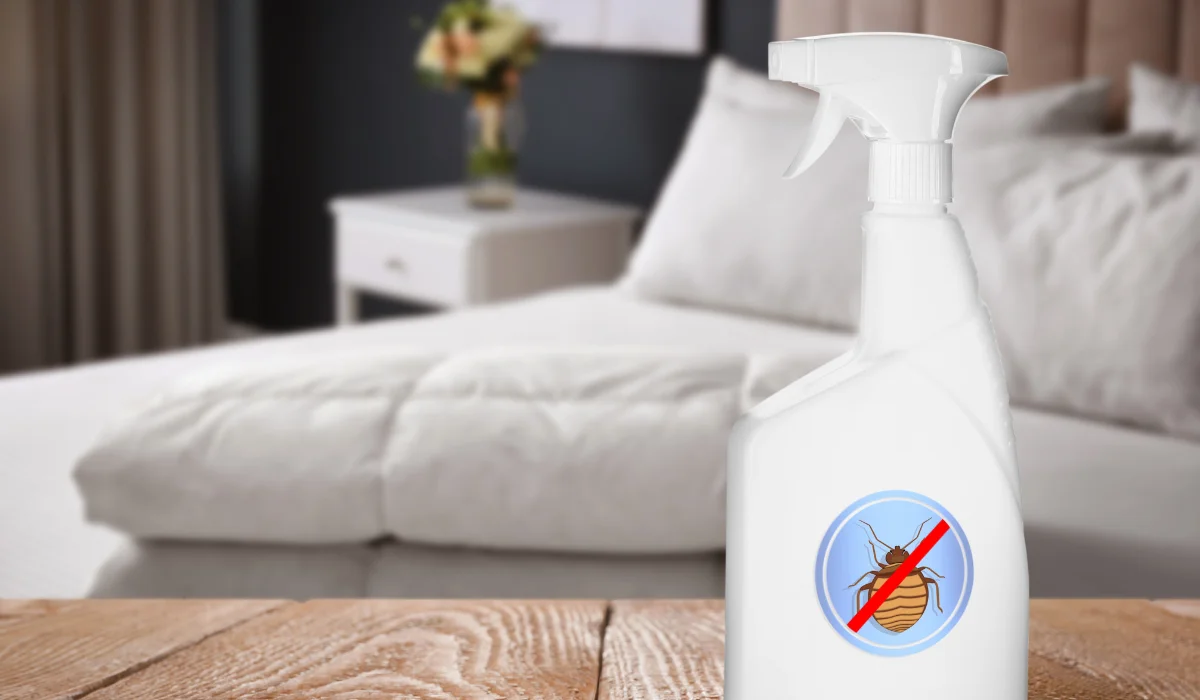
Does rubbing alcohol kill bed bugs? It is not a safe or dependable treatment for a bed bug infestation. Its effectiveness is limited, it evaporates quickly, and it will not resolve activity hidden inside mattress seams, furniture joints, cracks, or wall voids. It can also create a serious fire risk inside a home.
The Environmental Protection Agency warns against using rubbing alcohol as a bed bug treatment because the substance is flammable and has caused house fires. Arizona homeowners should avoid spraying it on mattresses, bedding, couches, baseboards, or other surfaces.
A safer response starts with identifying the pest, limiting the movement of affected belongings, and choosing a treatment plan based on the layout of the home.
Rubbing alcohol should not be treated as a bed bug solution. Even a quick drop in visible activity does not mean that the infestation is gone.
Bed bugs are difficult to eliminate because they hide in narrow spaces and can spread beyond the area where they were first noticed. A surface-level response may miss activity inside:
The EPA’s do-it-yourself bed bug control guidance advises homeowners to avoid rubbing alcohol, kerosene, and gasoline because these substances can cause harm and ignite easily.
The CDC has also warned against using household chemicals such as rubbing alcohol or bleach for pest control. These products can create health risks, fires, or explosions when misused indoors.
A bed bug infestation usually requires more than one tactic. Spraying a household chemical may feel like an immediate response, but it does not address the full problem.
Rubbing alcohol dries quickly after application. It does not continue working after it evaporates, which means it cannot provide lasting control in the areas where bed bugs travel and hide.
Bed bugs can fit into small spaces around a sleeping area. Spraying the visible surface of a mattress or piece of furniture does not reach every crack, seam, or void.
Hidden insects may remain active after the area appears clear. Eggs and newly emerging bed bugs can also make the problem harder to resolve without monitoring and follow-up.
The fire risk is a strong reason to avoid using rubbing alcohol inside a home. Do not spray it on bedding, upholstered furniture, carpets, or other household surfaces as a pest treatment.
Arizona homeowners should also avoid improvised heat treatments. Turning up the thermostat or using household heating equipment to treat a room can be dangerous and may not eliminate the infestation. Professional heat treatment requires controlled temperatures, monitoring equipment, and preparation steps.
Start by slowing down the spread. Avoid moving items from one room to another until you understand where the activity is concentrated.
Moving a mattress into another bedroom or carrying loose bedding through the house may relocate bed bugs. Keep furniture in place until you receive inspection and preparation guidance.
If you need to transport clothing or bedding, place the items in sealed bags first. The EPA’s bed bug treatment preparation guidance recommends using sealed plastic bags when moving belongings between areas.
Clothing, bedding, and other items that can safely withstand a household dryer may be dried on high heat for 30 minutes. The EPA notes that this can kill bed bugs and eggs. Washing alone may not be enough.
Place cleaned items in sealed bags after drying to reduce the risk of reintroducing bed bugs while the home is being evaluated or treated.
Take clear photos of suspected bed bugs, dark spots, shed skins, and other evidence. Note the rooms where the signs appear and whether the activity is close to a bed, couch, or upholstered chair.
This information can help a pest control professional evaluate the extent of the problem.
Remove clutter around sleeping areas carefully. Bag loose items before relocating them. Avoid carrying uncovered belongings through the home.
A neater space makes inspection and monitoring easier, but clutter does not cause bed bugs. These insects can appear in clean homes, hotels, apartments, and other properties.
Bites alone cannot confirm an infestation. Skin reactions vary, and some people do not react to bites at all.
The CDC’s bed bug information page explains that bed bugs are not known to spread disease to people, although bites may cause itching, sleep disruption, and occasional allergic reactions.
Look for physical evidence around the places where people sleep or rest:
A suspected insect can also be photographed or saved in a sealed container for identification. Several household pests can be mistaken for bed bugs, so accurate identification matters before treatment begins.
Arizona’s climate does not make a DIY heat treatment reliable. Outdoor temperatures and a warm room do not guarantee that every hiding place reaches a temperature capable of eliminating bed bugs.
Bed bugs may remain in shaded areas, insulated furniture, cracks, and wall voids. A room may feel hot while hidden pockets remain unaffected.
Professional heat treatment works differently. Green Home Pest Control’s bed bug control service includes a whole-room heat option that uses sensors to monitor the space and reach key hiding areas such as mattress seams, furniture joints, and baseboards.
The company also provides targeted liquid and dust treatment when heat is not the right fit for the property. The treatment plan depends on the inspection findings and the layout of the affected rooms.
Schedule an inspection when bed bug signs continue after cleaning or appear in more than one part of the home. Professional support is also appropriate when you are unsure whether the insect is a bed bug or another household pest.
An inspection is especially useful when you notice:
Bed bug treatment can be challenging because hidden activity may remain after the visible insects are gone. A treatment plan should account for the rooms involved, the likely hiding areas, and the need for follow-up monitoring.
Green Home Pest Control checks mattress seams, box springs, baseboards, furniture, outlets, and wall voids during its Phoenix-area bed bug inspection process. Treatment options may include monitored whole-room heat, targeted applications, and follow-up visits based on the activity found.
Avoid trying to solve a bed bug problem with household chemicals or improvised equipment. Products that were not designed and labeled for bed bug control can create additional risks.
Do not use:
Do not apply a pesticide to bedding, furniture, clothing, or indoor surfaces unless the label specifically allows that use. More product does not lead to better results and may make the home unsafe.
Bed bugs often travel into homes on belongings. Travel bags, clothing, furniture, and other items can provide hiding places.
A few habits can reduce the chance of bringing bed bugs indoors:
These steps cannot guarantee that bed bugs will stay out of a home, but they can make an infestation easier to notice early.
Rubbing alcohol is not a safe solution for bed bugs. A careful inspection can confirm the pest, identify the affected rooms, and help you choose the right treatment plan.
Green Home Pest Control serves Arizona communities including Phoenix, Chandler, Tucson, Gilbert, Mesa, and Scottsdale. Request a free quote to confirm service availability for your address and schedule a bed bug inspection.
Rubbing alcohol is not a safe or reliable bed bug treatment. Its effectiveness is limited, and it creates a fire risk inside the home. Avoid spraying it on mattresses, bedding, furniture, or other household surfaces.
No. Do not use rubbing alcohol on a mattress or other household surfaces as a bed bug treatment. The substance is flammable and does not eliminate hidden activity throughout the room.
Avoid moving loose belongings into another room. Take photos of the evidence, place items that need to be transported in sealed bags, and schedule an inspection. Suitable clothing and bedding may be dried on high heat for 30 minutes.
Hot weather alone does not provide a reliable bed bug treatment. Hidden areas may remain unaffected. Professional heat treatment uses sensors and controlled conditions to reach key hiding places.
Not automatically. Some mattresses and furniture can be treated. Ask a pest control professional to inspect the item before discarding it.

Serving Arizona since 2012

Pest-free guarantee

Small, local business



"*" indicates required fields