What Phoenix Homeowners Should Know About the Most Painful Sting
Author: Jonathan Anderson

Protect your home and family from ants, spiders, scorpions, rodents, and other Tucson pests.
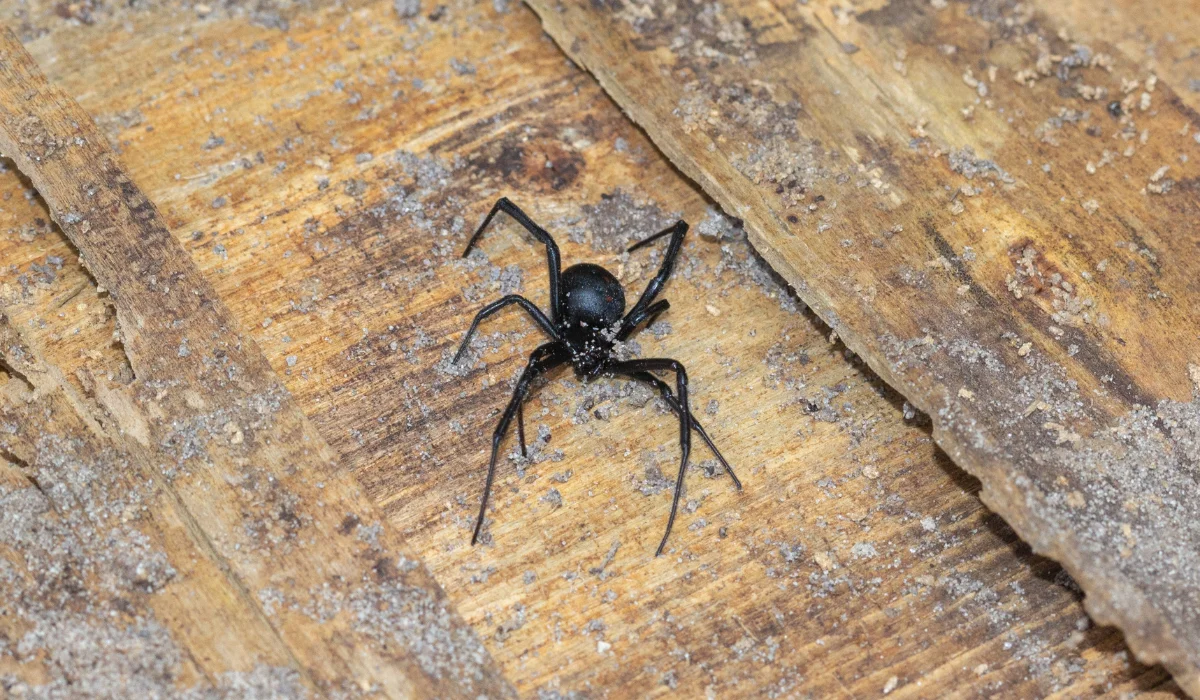
Finding a tiny black spider inside your Mesa home does not automatically mean that you have found a black widow. Many spiders can look dark when they are small, moving quickly, or hiding in a shaded area. Color alone is not enough to identify the species.
The location, body shape, markings, web, and pattern of activity provide better clues. A single spider near a door may have wandered indoors. Repeated sightings, new webs, or egg sacs around garages, patios, block walls, and storage areas deserve a closer look.
Most spiders are beneficial predators. The goal is to identify the spider before deciding whether it needs to be removed or treated.
Several types of spiders may appear small and dark indoors. Some are web-building spiders. Others are hunting spiders that wander through garages, kitchens, bathrooms, or living areas while looking for prey.
The University of Arizona Cooperative Extension’s spider guide explains that many household spiders are generally harmless to people. Small hunting spiders may wander inside, especially when insects are available.
A tiny dark spider may also be young. Juvenile spiders can look different from fully grown adults, which makes identification more difficult from a quick glance.
Before assuming the worst, note:
A clear photo taken from a safe distance can help with identification. Avoid handling an unknown spider directly.
Possibly, but size and color alone do not confirm it.
Arizona is home to the western black widow. The University of Arizona identifies the western black widow and the Arizona recluse as the two most common spiders in the state whose venom can cause a serious reaction in people.
A mature female western black widow has a shiny black body and a red or orange marking, often shaped like an hourglass, on the underside of the abdomen. The Arizona Poison and Drug Information Center describes the adult female as globe-shaped and shiny black.
Male and juvenile black widows can look different. They may show orange, red, or white markings along the back and sides.
The identifying hourglass marking sits on the underside of the abdomen. Do not pick up, turn over, or disturb an unknown spider to look for it.
Instead, keep children and pets away from the area. Take a photo from a safe distance if you can do so without approaching the spider closely.
Request professional help when the spider is in a busy area, you find multiple spiders, or you suspect black widow activity.
An Arizona recluse is less likely to match the description of a tiny black spider. The University of Arizona describes this spider as tan to brown with a darker violin-shaped marking on the upper part of the body.
Recluse spiders prefer dry, undisturbed areas. They may hide in closets, woodpiles, stored materials, and other quiet spaces.
Avoid handling boxes, firewood, or stored belongings with bare hands when they have been sitting untouched for an extended period. Gloves can reduce accidental contact while you clean or reorganize storage areas.
Spiders seek shelter and prey. Mesa homes can provide both, especially around garages, patios, exterior lights, storage areas, and block walls.
Green Home Pest Control’s Mesa spider-control service focuses on areas where spiders build webs, rest, and hunt.
Garages provide dark corners, cardboard boxes, shelves, stored items, and gaps around doors. Spiders may enter with boxes, firewood, or other materials brought inside.
Check:
Replace damaged cardboard boxes with sealed bins when possible. Wear gloves when moving materials that have not been touched recently.
Spiders may build webs near outdoor lighting because lights attract insects. Look around patio covers, wall corners, door frames, and fixtures.
A single web outdoors may not require treatment. Rebuilding webs around entrances or seating areas may indicate a recurring hotspot.
Block-wall seams and irrigation boxes can create sheltered spaces. Avoid reaching into these areas without looking first.
Use gloves during yard work and keep outdoor storage organized so that hidden spaces remain easier to inspect.
Small spiders can enter through worn weatherstripping, damaged screens, or gaps around door frames.
Inspect patio doors, garage doors, window screens, and utility openings when indoor sightings continue.
Spiders may enter a home in two main ways. They can arrive inside boxes, firewood, or stored materials. They can also move through cracks and crevices while looking for shelter or insects.
The University of Arizona notes that a building with more prey insects is more likely to have spiders living inside it.
This means that recurring spider activity may point to another pest issue. Flies, crickets, roaches, and other insects can provide a steady food source.
A practical prevention plan should address both the spiders and the insects attracting them.
Many spiders help control insects around gardens and landscaping. They prey on flies, mosquitoes, crickets, and other arthropods.
An outdoor spider resting in a quiet area often does not require treatment. The EPA’s integrated pest-management principles recommend identifying pests accurately and deciding whether control is necessary before using pesticides.
The situation changes when spiders begin appearing repeatedly inside the home, webs rebuild around entrances, or venomous species may be present.
Professional support makes sense when:
Spider prevention works best when you reduce hiding places, close entry points, and make the home less attractive to prey insects.
Inspect doors, windows, vents, garage edges, and utility openings. Replace damaged screens and worn door sweeps.
Use weatherstripping and caulk where appropriate after confirming that active spiders are not hiding inside the gap.
Clear unused cardboard, paper stacks, and unnecessary storage from garages, closets, and patios.
Keep stored belongings off the floor when possible. Sealed plastic bins make it easier to inspect items and reduce hiding places.
Outdoor lights can attract insects, which may draw spiders closer to doors and patios.
Clean webs around fixtures and inspect nearby walls periodically. Consider whether lights need to remain on continuously in areas close to entrances.
Removing webs can make it easier to notice whether activity returns.
Avoid reaching into hidden corners with bare hands. Use gloves and stay alert for egg sacs or spiders in protected spaces.
Green Home Pest Control’s Mesa spider service includes exterior dewebbing around reachable eaves, corners, patios, light fixtures, and garage areas.
A spider problem may continue when other insects remain active.
Look for fly activity near drains, roaches near appliances, crickets around garages, or ants near food and water sources. Treating the underlying pest pressure can reduce the food available to spiders.
Killing one visible spider does not address webs, egg sacs, entry gaps, or prey insects.
A spider may be passing through the home rather than living inside it. However, recurring activity often calls for a broader inspection.
Avoid spraying household chemicals or outdoor pesticides inside the home unless the product label allows that specific use. More product does not create a better result and may create unnecessary exposure risks.
A targeted plan should focus on:
Green Home Pest Control provides spider control in Mesa for homes and businesses dealing with recurring webs, egg sacs, and spider sightings.
The process begins with an inspection. The technician checks eaves, garages, patios, block walls, cracks, corners, and entry gaps.
Based on the layout and activity, the service may include:
This approach focuses on the places spiders use rather than treating one isolated sighting.
Green Home Pest Control also offers broader pest-control service in Mesa when spiders are appearing alongside roaches, crickets, ants, or other pests.
Skin irritation does not always come from a spider bite. The University of Arizona notes that bites from bed bugs and other insects, environmental reactions, and health conditions can sometimes be mistaken for spider bites.
If you suspect a spider bite, avoid handling the spider. Take a photo or preserve a sample only when you can do so safely without direct contact.
The Arizona Poison and Drug Information Center recommends calling 1-800-222-1222 for additional guidance after a suspected black widow bite. Seek urgent medical care for severe or rapidly worsening symptoms.
Do not delay medical care while trying to identify the spider.
One tiny black spider indoors may be an occasional visitor. A pattern of activity requires more attention.
Schedule an inspection when:
A professional inspection can separate a minor sighting from a recurring spider problem and identify the conditions allowing activity to continue.
A tiny black spider can be difficult to identify from color alone. If spiders, webs, or egg sacs continue appearing around your Mesa home, an inspection can help locate the hotspots and clarify the next step.
Request a free quote from Green Home Pest Control to schedule a Mesa spider inspection and receive recommendations based on the activity found around your property.
No. Many spiders can look dark or black when they are small or moving quickly. Adult female western black widows have a shiny black body and a red or orange hourglass marking on the underside of the abdomen.
No. Avoid handling an unidentified spider. Take a photo from a safe distance and request help when you cannot identify it confidently.
Garages provide shelter, boxes, storage areas, and entry gaps. Spiders may also follow prey insects such as crickets, flies, and roaches into the space.
Most spiders around homes are not harmful to people. However, color alone cannot rule out a venomous spider. Use caution around unidentified spiders, especially in undisturbed storage areas.
Request an inspection when sightings continue, webs return after removal, egg sacs appear, you suspect black widows, or spiders are active in areas used by children or pets.

Serving Arizona since 2012

Pest-free guarantee

Small, local business



"*" indicates required fields